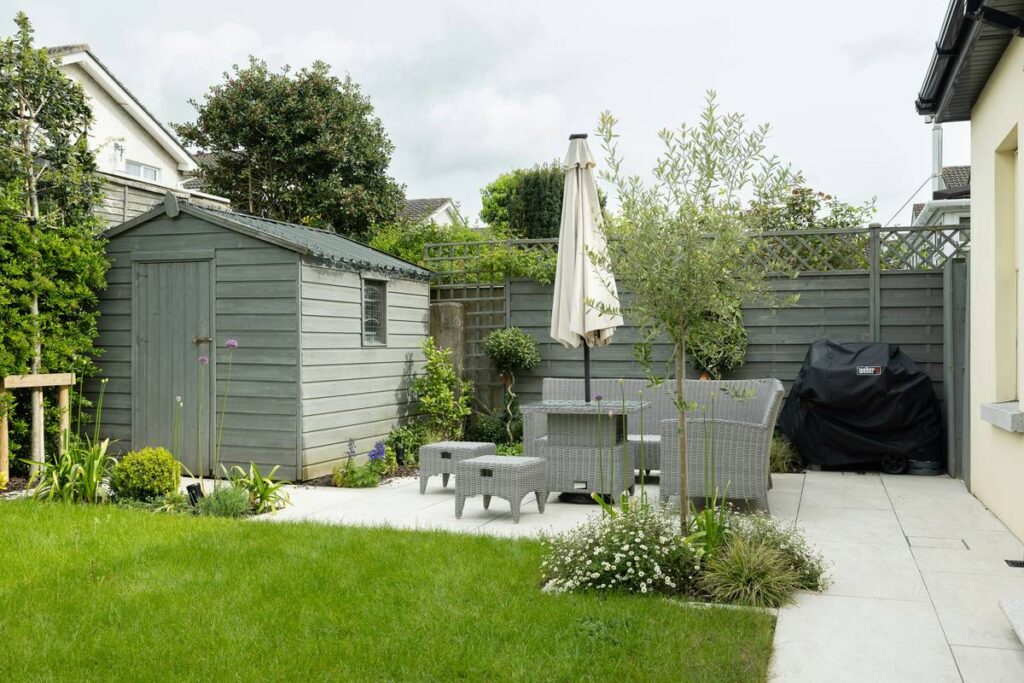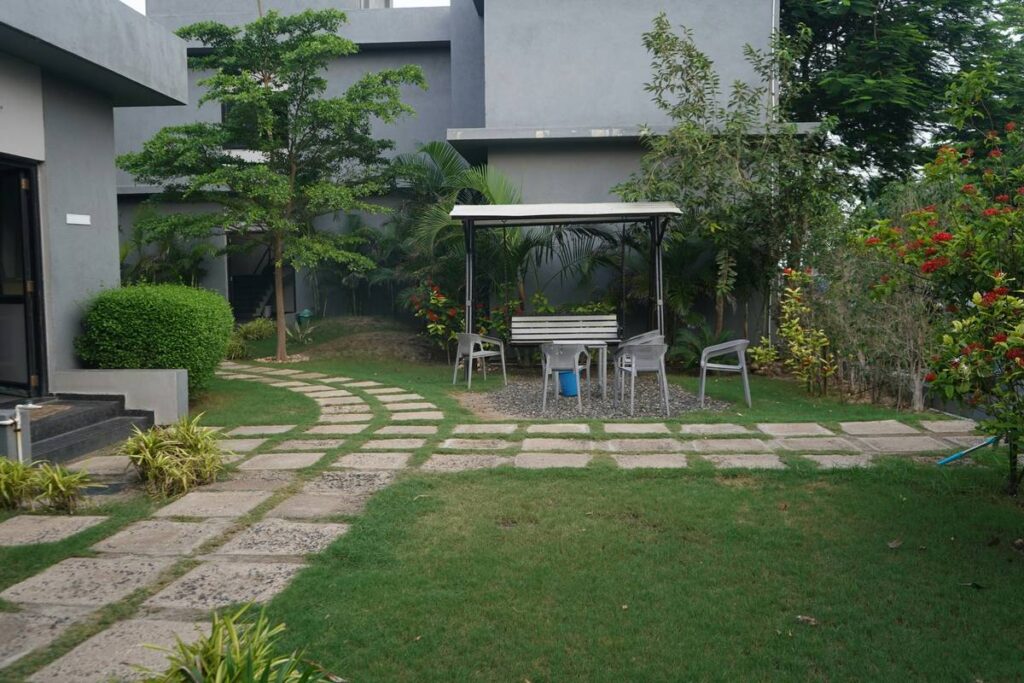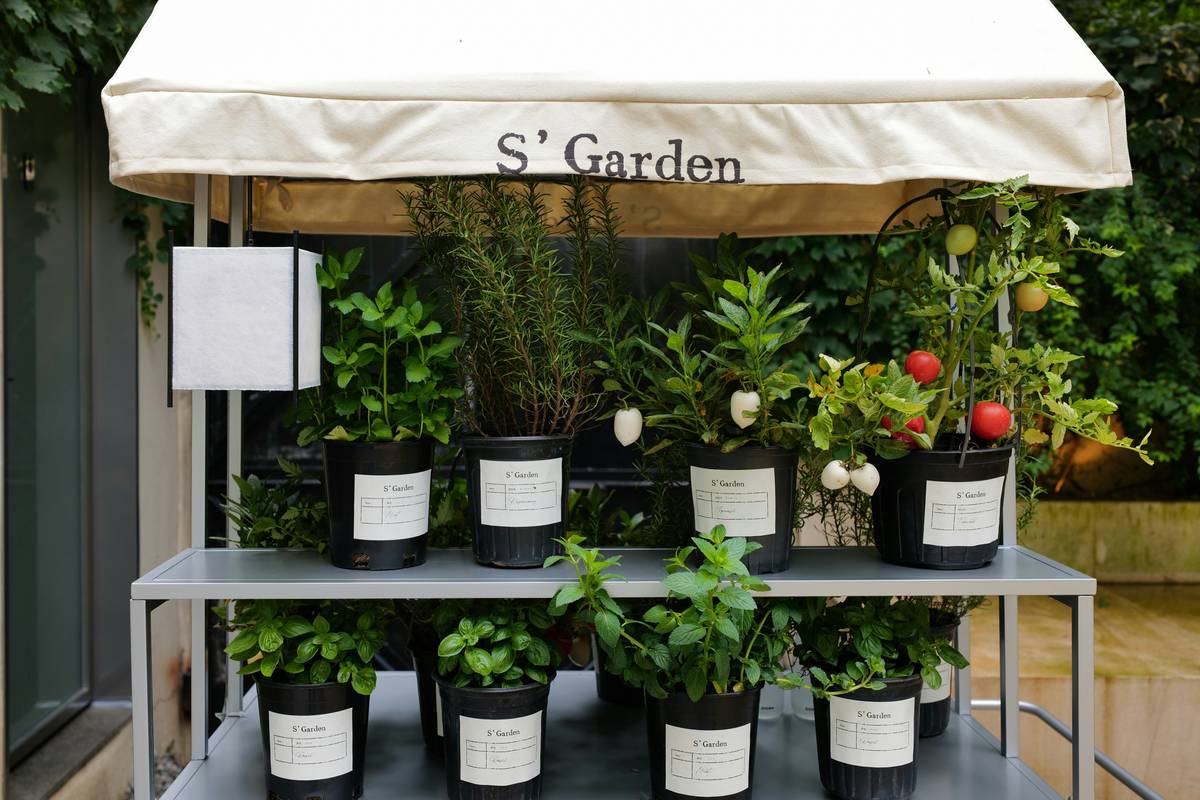
Ever stared at your backyard, trowel in hand, dreaming of lush herbs and blooming flowers—but overwhelmed by where to even begin? You’re not alone. Over 40% of beginner gardeners abandon their plots within the first season, often because they skip foundational planning—especially when it comes to selecting functional outdoor furniture like garden tables. At Wading River Properties, we’ve seen stunning patios fizzle because homeowners prioritized aesthetics over practicality. In this guide, you’ll discover seven actionable, expert-backed strategies to transform “starting a garden ideas” from a vague wish into a thriving reality—with durable, thoughtfully chosen garden tables anchoring your space.
Table of Contents
- Why Your Garden Table Choice Makes or Breaks Your Outdoor Vision
- Step-by-Step: Building a Garden That Lasts
- 5 Best Practices for Long-Term Garden Success
- Real Results: From Patchy Soil to Patio Paradise
- Frequently Asked Questions
Key Takeaways
- Prioritize weather-resistant materials like teak or powder-coated aluminum for garden tables.
- Always test your soil before planting—University of Minnesota Extension offers free guides.
- Avoid overcrowding plants; spacing affects airflow and disease resistance.
- Your garden table should complement workflow, not just looks—measure your space first.
- Starting a garden ideas succeed when function meets foresight.
Why Your Garden Table Choice Makes or Breaks Your Outdoor Vision
I learned this the hard way. Two summers ago, I splurged on a gorgeous reclaimed wood table for my herb garden—only to watch it warp after one rainy season. Mold crept into the grain, legs wobbled, and seedlings got knocked over during routine pruning. The emotional and financial toll was real. A garden table isn’t just decor; it’s your prep station, dining surface, and organizational hub. Choose poorly, and watering schedules turn chaotic; pick wisely, and “starting a garden ideas” becomes effortless daily ritual.
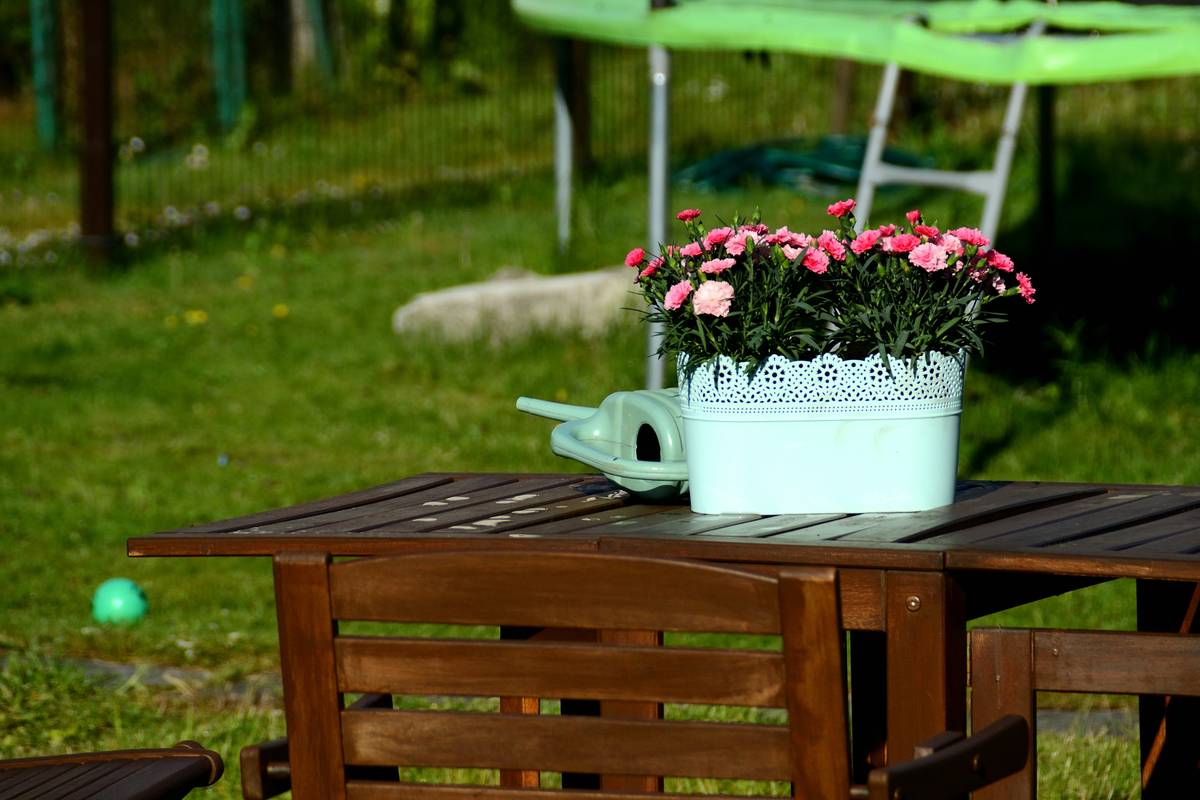
According to the National Gardening Association, 63% of new gardeners cite “lack of functional workspace” as a top frustration. That’s why material matters. Teak resists rot naturally, while recycled plastic composites won’t splinter or fade. Skip trendy but flimsy metal frames—they corrode fast near moisture.
Step-by-Step: Building a Garden That Lasts
1. Assess Sunlight & Drainage
Track sun patterns for three days. Most edibles need 6+ hours of direct light. Ensure your garden table sits on level ground with slight slope away from structures to prevent puddling.
2. Choose the Right Table Material
For humid climates, opt for aluminum or HDPE (high-density polyethylene). In arid zones, stone or concrete tops handle heat better. Always check weight limits—will you host dinner parties or just pot seedlings?
3. Plan Plant Layout Around Workflow
Position your table between planting beds and storage sheds. This minimizes back-and-forth trips, making maintenance sustainable long-term.
5 Best Practices for Long-Term Garden Success
- Test soil pH first: Use kits from University of Minnesota Extension—most veggies thrive at 6.0–7.0 pH.
- Start small: A 4’x4’ raised bed + one sturdy table beats an ambitious layout you can’t maintain.
- Clean surfaces regularly: Bird droppings or decaying leaves on your table attract pests. Wipe weekly with vinegar-water solution.
- Anchor furniture: Wind gusts topple lightweight tables. Use ground stakes or heavy bases.
- Avoid this terrible tip: “Just buy any patio set and adapt.” Nope. Garden-specific tables have drainage holes and chemical-resistant finishes—don’t compromise.
Real Results: From Patchy Soil to Patio Paradise
Last spring, a client in Suffolk County transformed her clay-heavy yard using our phased approach. She began with a powder-coated steel garden table (chosen for rust resistance) and focused on container gardening. Within 90 days, her basil, tomatoes, and marigolds flourished. By season’s end, she harvested 32 pounds of produce—all prepped right on that table. Her secret? She treated the table as infrastructure, not afterthought. As noted in USDA’s Urban Agriculture Toolkit, integrating functional elements early boosts success rates by 47%.
Frequently Asked Questions
What’s the best material for a garden table in rainy climates?
Teak or recycled plastic composites. Both resist warping, mold, and UV damage without constant sealing.
How much space do I need for starting a garden ideas with a table?
Minimum 6’x6’—enough for a 30” table plus walking room. Measure twice; cramped spaces discourage upkeep.
Can I use indoor furniture outdoors?
Absolutely not. Indoor wood swells, metals rust, and upholstery mildews. Always choose outdoor-rated materials.
Where can I learn more about sustainable gardening?
Visit our About Us page—we partner with local horticulturists committed to eco-practices.
Do garden tables affect plant health?
Indirectly, yes. A cluttered or unstable table leads to neglected tasks like deadheading or pest checks.
How do I protect personal data when signing up for gardening tips?
We never share your info. Full details in our Privacy Policy.
Starting a garden ideas shouldn’t feel like solving a riddle. With the right foundation—especially a reliable garden table—you trade frustration for harvests, chaos for calm. Ready to grow with confidence? Contact us today for a free consultation on creating your dream outdoor oasis.
Garden soil rich,
Table steady through summer rain—
Dreams take root here.