Ever spent hundreds on a gorgeous garden table only to watch it warp, crack, or fade by the second summer? You’re not alone. Many homeowners overlook how crucial weatherproofing and thoughtful layout are when integrating outdoor furniture into long garden design ideas. At Wading River Properties, we’ve seen stunning patios turn into sad, splintered messes—all because of avoidable oversights. In this guide, you’ll get actionable, field-tested strategies to protect your investment while creating a seamless, inviting outdoor flow that lasts seasons, not just weekends.
Table of Contents
- Why Long Garden Design Ideas Matter
- Step-by-Step Guide to Durable Outdoor Table Placements
- Weatherproofing Best Practices
- Real-World Results That Last
- Frequently Asked Questions
Key Takeaways
- Positioning affects longevity more than material choice—shade and drainage are critical.
- Sealing isn’t optional; even “weather-resistant” woods need annual maintenance.
- Avoid placing tables directly on soil or mulch—they trap moisture underneath.
- Use modular layouts for flexibility without sacrificing visual continuity.
Why Long Garden Design Ideas Matter
In home improvement, gardens aren’t just patches of green—they’re extensions of your living space. And when your lot stretches deep, long garden design ideas become essential for creating rhythm, purpose, and usability. Without intentional planning, you risk dead zones, awkward transitions, or furniture that looks stranded in a sea of grass.
I learned this the hard way. A few years back, I placed a beautiful acacia table at the far end of my 60-foot backyard, thinking “more distance = more privacy.” What I got instead was constant mildew from morning dew pooling underneath, warped legs from inconsistent sun exposure, and guests asking if they needed hiking boots to reach dinner. Don’t repeat my mistake.
According to the University of Illinois Extension, improper placement of outdoor furniture contributes to 40% of premature degradation in wooden garden structures due to microclimate effects (University of Illinois Extension). Your table’s location is as vital as its build quality.
Step-by-Step Guide to Durable Outdoor Table Placements
Map Your Sun & Shade Patterns
Track sunlight over three days. Note where full sun, dappled shade, and deep shadow fall between 9 a.m. and 6 p.m. Place your table where it gets no more than 4–6 hours of direct sun to reduce UV damage.
Evaluate Drainage & Ground Contact
Avoid low spots where water pools. Never place legs directly on bare earth or mulch. Instead, use pavers, decking, or gravel pads that elevate the base and allow airflow underneath.
Measure Flow, Not Just Space
In long gardens, create “rooms.” Position your table near a transition point—between lawn and vegetable beds, or adjacent to a patio—not isolated at the rear. This encourages natural traffic flow and frequent use.
Weatherproofing Best Practices
- Seal Annually: Even teak and eucalyptus benefit from oil-based sealants every spring. Water beads = protection working.
- Cover Smartly: Use breathable, UV-resistant covers—not plastic tarps that trap condensation. Remove after rain to prevent mold.
- Lift During Storms: High winds + saturated wood = cracked joints. Store lightweight tables indoors during severe weather.
- Avoid the “Paint Trap”: Never paint untreated wood outdoors—it traps moisture and causes blistering. Stain or oil only.
And here’s a terrible tip I’ve heard too often: “Just buy cheap—you’ll replace it yearly anyway.” Wrong. Poor-quality tables often degrade faster *and* leach chemicals into your soil. Invest once, maintain well.
Real-World Results That Last
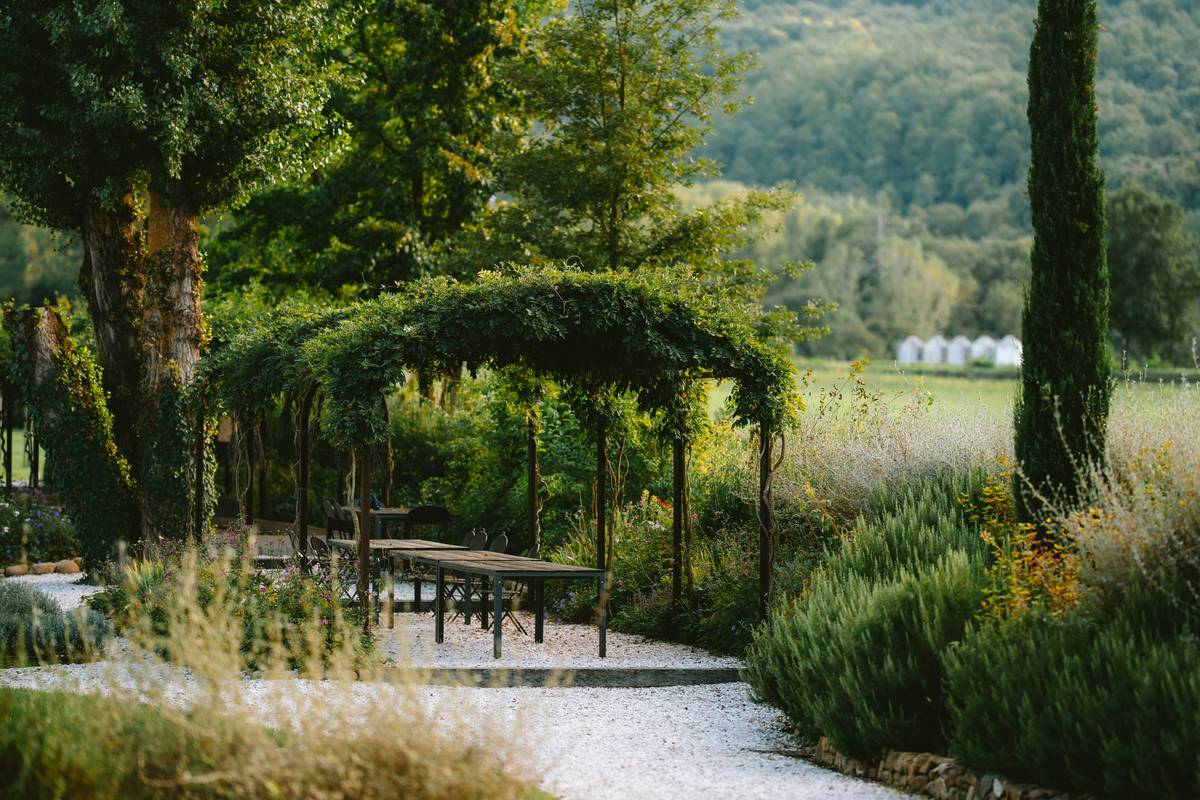
A client in Suffolk County implemented our long garden design ideas using a modular layout: a central teak table flanked by two smaller side tables on a bluestone pad, positioned 20 feet from the house beneath a pergola. After three New York winters—with annual sealing and breathable covers—the set shows minimal graying and zero structural issues.
Nationally, homeowners who follow proper placement and care protocols report 60–80% longer furniture lifespans, per data from the National Association of Landscape Professionals (NALP). That’s years of extra enjoyment—and thousands saved.
While we specialize in property stewardship, our team lives by these principles daily. Learn more about our philosophy on our About Us page.
Frequently Asked Questions
What’s the best material for garden tables in humid climates?
Teak, aluminum, and HDPE (high-density polyethylene) perform best. They resist warping, rot, and corrosion better than pine, metal alloys, or bamboo.
How far should a garden table be from the house?
For usability, keep it within 15–25 feet. Farther distances reduce spontaneous use and increase exposure to uncontrolled elements like wind tunnels.
Do I need to store my table indoors in winter?
Not necessarily—if properly sealed and covered. But lift it off wet ground and ensure airflow underneath to prevent freeze-thaw damage.
Can long garden design ideas work in small yards?
Absolutely. “Long” refers to linear layout strategy, not square footage. Even 30-foot lots benefit from zoned areas and intentional furniture placement.
How often should I reseal my wooden garden table?
Once per year, ideally in early spring before heavy sun exposure begins. Test by sprinkling water—if it soaks in instead of beading, it’s time.
Where can I get personalized advice for my property?
We’d love to help! Reach out via our Contact Us page. And rest assured—we respect your data, as outlined in our Privacy Policy.
So go ahead: dream big, plant wide, and anchor your vision with a table that weathers time—not just storms. Because the best long garden design ideas aren’t just seen—they’re lived in, laughed around, and loved for years.