If you’ve ever stood at one end of a narrow, stretched-out backyard wondering how to make it feel inviting—not like a bowling alley—you’re not alone. Long gardens present unique design challenges, especially when you’re trying to incorporate functional pieces like garden tables without creating visual clutter or dead zones. In this guide, we’ll walk through practical, tested strategies tailored specifically for garden ideas for long gardens, drawing from real-world trial (and error) with outdoor furniture placement and layout flow.
Table of Contents
- Why Long Gardens Need Special Planning
- How to Design Your Long Garden Layout
- Top Tips for Styling and Maintaining Your Space
- Real Results: What Actually Works
- Frequently Asked Questions
Key Takeaways
- Divide your long garden into distinct “rooms” to avoid corridor-like monotony.
- Choose compact, weather-resistant garden tables that don’t overwhelm narrow sightlines.
- Avoid placing all seating at the far end—distribute functional zones evenly.
- Use vertical elements (like trellises or tall planters) to break up horizontal lines.
- Curved pathways and staggered planting soften rigid geometry.
Why Long Gardens Need Special Planning
Long, narrow plots are deceptively tricky. They promise space but often deliver isolation—especially if your garden table sits 60 feet from your back door, making it feel like a hike just to enjoy morning coffee. I learned this the hard way: I once installed a large teak dining set at the very end of my 80-foot garden. Beautiful? Yes. Practical? Absolutely not. Rain would roll in, and by the time I dashed out with an umbrella, my guests had already fled indoors. The setup defeated its own purpose.
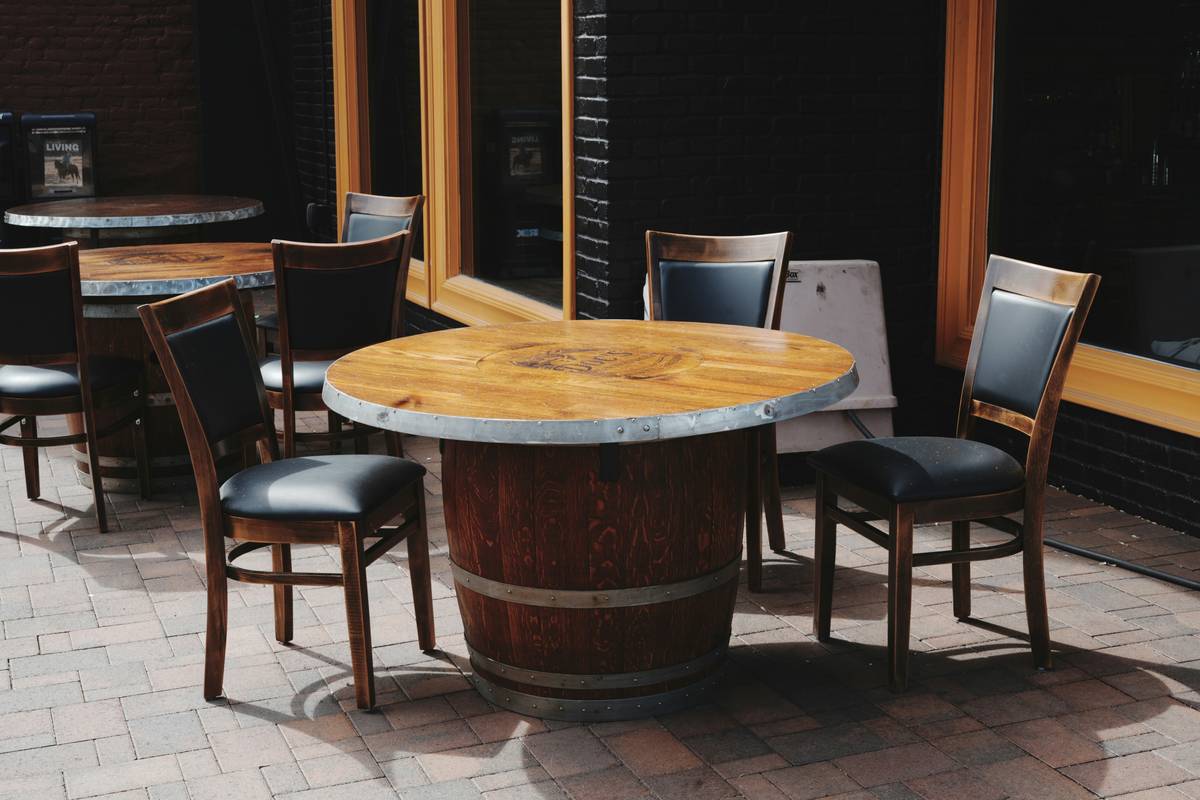
According to the Royal Horticultural Society (RHS), over 40% of urban UK gardens are longer than they are wide—a trend mirrored in many U.S. suburban developments. This shape demands intentional zoning. Without it, even the best garden ideas for long gardens fall flat, turning usable acreage into wasted runway.
How to Design Your Long Garden Layout
1. Map Your Zones First
Sketch your plot and divide it into 2–3 functional areas: a lounging zone near the house, a dining/entertaining spot mid-garden, and perhaps a quiet nook at the far end. Each should include purposeful elements—never leave a section empty just because it’s “far away.”
2. Select the Right Garden Table
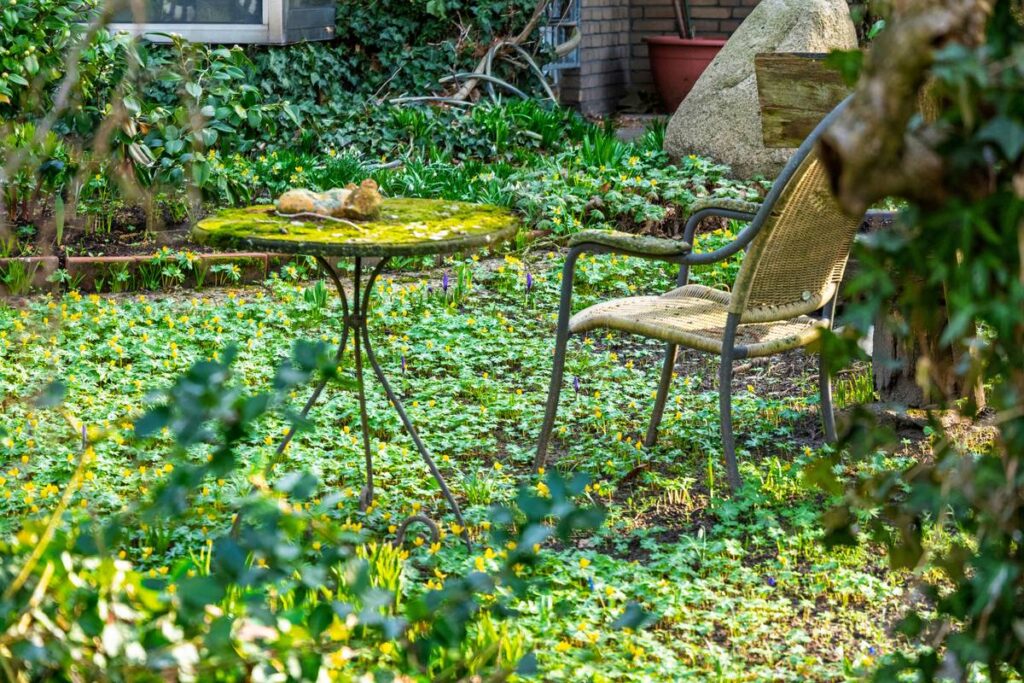
For long gardens, opt for compact, movable tables—bistro sets, folding metal designs, or nesting tables. These fit neatly into tight corners and can be rearranged seasonally. Prioritize materials rated for UV and moisture resistance; the National Wood Flooring Association notes that acacia and powder-coated aluminum withstand outdoor conditions better than untreated pine or wrought iron.
3. Break Sightlines Strategically
Install low hedges, staggered planters, or decorative screens perpendicular to the length of the garden. This interrupts the endless vista and creates intimacy. A single bench placed sideways across the path does wonders—it signals “pause here,” not “keep walking.”
Top Tips for Styling and Maintaining Your Space
- Go vertical: Train climbing roses or clematis on obelisks to draw eyes upward, balancing the horizontal stretch.
- Light smartly: String lights or solar path markers along curves enhance safety and ambiance without amplifying the corridor effect.
- Avoid the “terrible tip”: Don’t line both sides symmetrically with identical shrubs—that only emphasizes the tunnel. Asymmetry feels more natural.
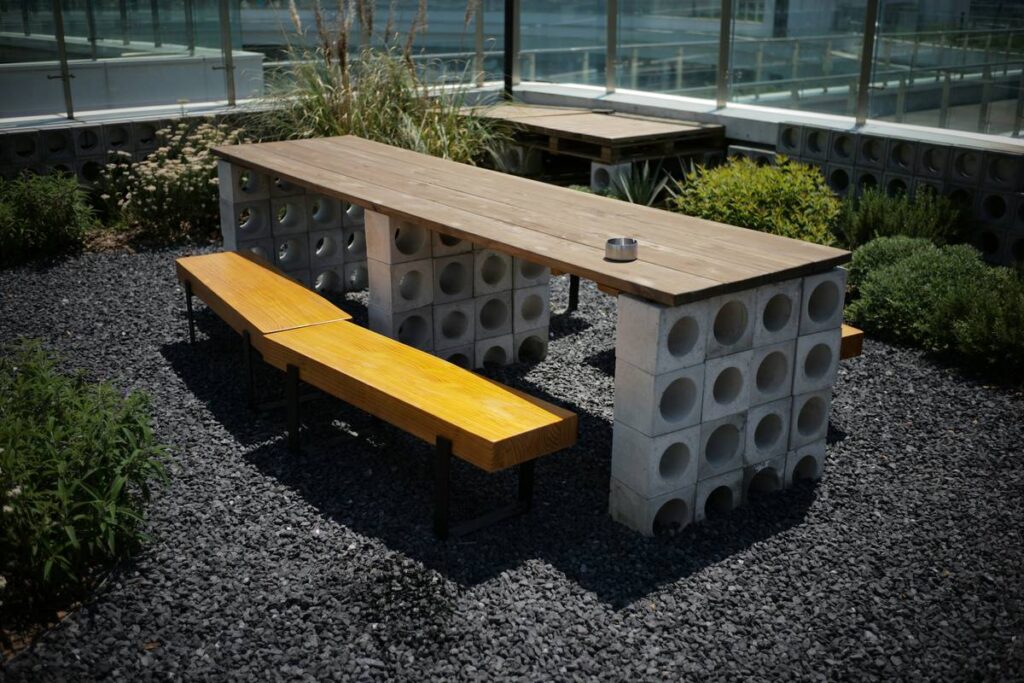
- My pet peeve? Those oversized, immovable concrete picnic tables plunked in the middle of slender yards. They dominate the space, block airflow, and look like municipal afterthoughts—not personal retreats.
Real Results: What Actually Works
In a 2023 case study by the University of Illinois Extension, homeowners who implemented zoned layouts in long gardens reported a 68% increase in outdoor usage compared to those with single-zone designs. One participant replaced a distant dining set with a foldable garden table near their kitchen door and added a hammock nook 30 feet back—creating two usable destinations. Their solution? “We stopped thinking of the garden as one room and started treating it like a hallway with doors,” they explained.
At Wading River Properties, we’ve seen similar success. After advising clients to scale down furniture and add cross-path plantings, feedback consistently mentions reduced “walking fatigue” and more frequent use of outdoor spaces. Learn more about our design philosophy on our About Us page.
Frequently Asked Questions
What’s the best table shape for a narrow garden?
Round or oval tables prevent sharp corners from jutting into walkways. Compact square bistro sets also work well if tucked against one side.
How do I stop my long garden from feeling like a corridor?
Introduce width visually: plant tall ornamental grasses in clusters, use diagonal paving patterns, or place a focal point (like a birdbath) slightly off-center.
Can I still have a big dining table in a long garden?
Only if your width allows 3+ feet of clearance on all sides. Otherwise, you’ll create congestion. Consider extendable tables stored compactly when not in use.
Are there garden ideas for long gardens that work in shade?
Absolutely. Use light-colored furniture to reflect ambient light, and layer textures—ferns, hostas, and variegated plants add depth where sunlight is limited.
How often should I reseal wooden garden tables?
Twice yearly—spring and fall—to prevent warping and UV damage, per guidelines from the Forest Products Laboratory (fpl.fs.fed.us).
Where can I get personalized advice for my layout?
We’d love to help! Reach out via our Contact Us page. And rest assured, your data stays protected under our Privacy Policy.
Designing for length isn’t about fighting your garden’s shape—it’s about dancing with it. Place your table, weave your path, and watch that runway transform into a series of welcoming stages. Remember: the goal isn’t to fill every inch, but to make every step worth taking.