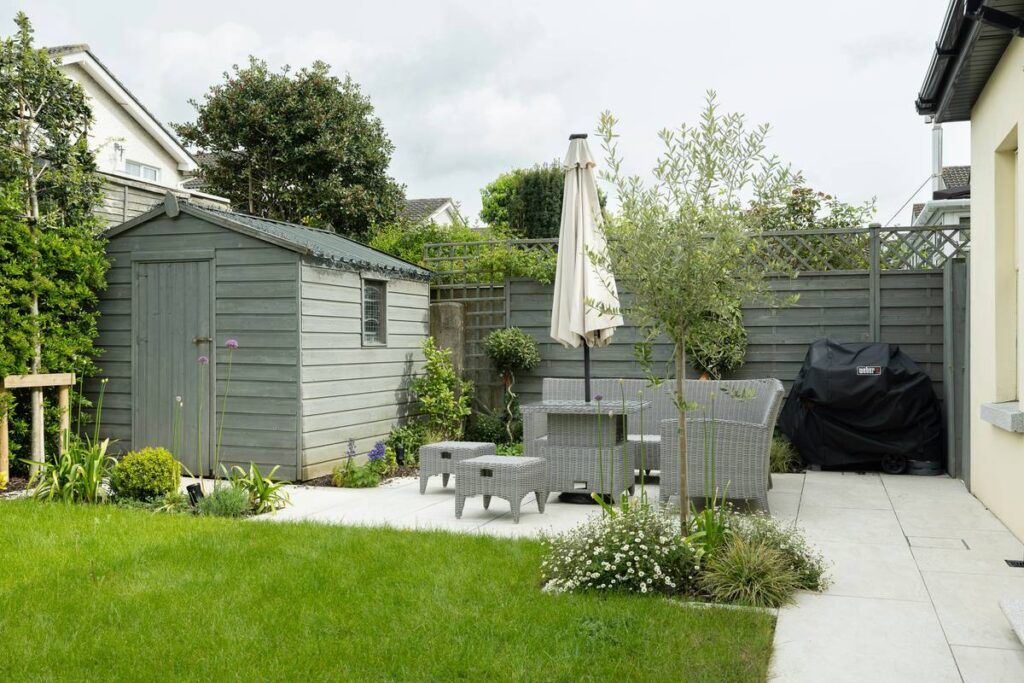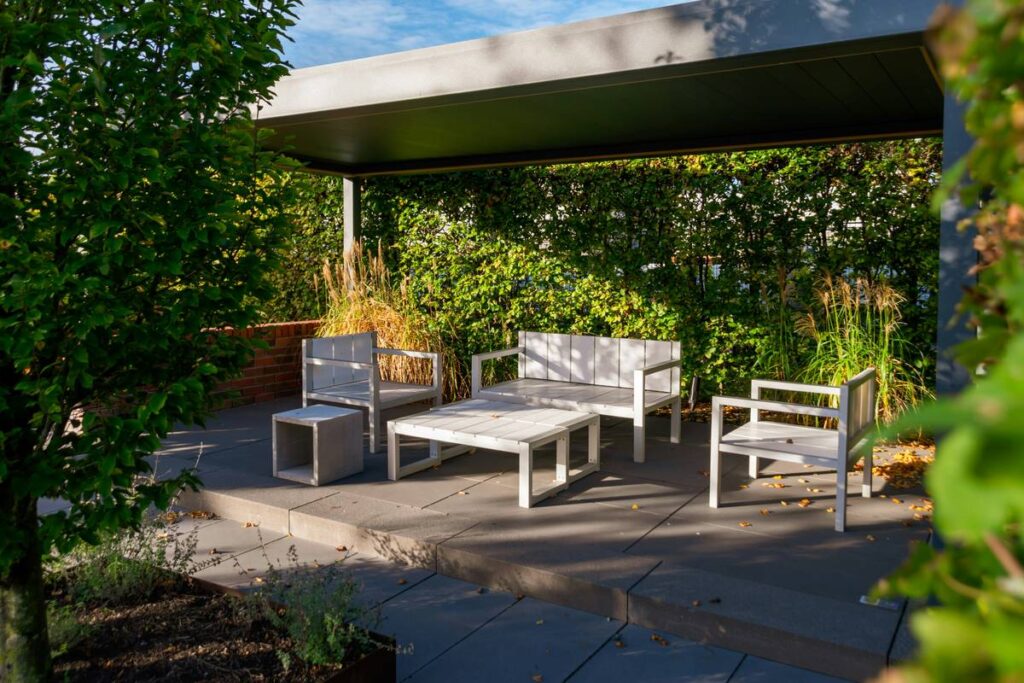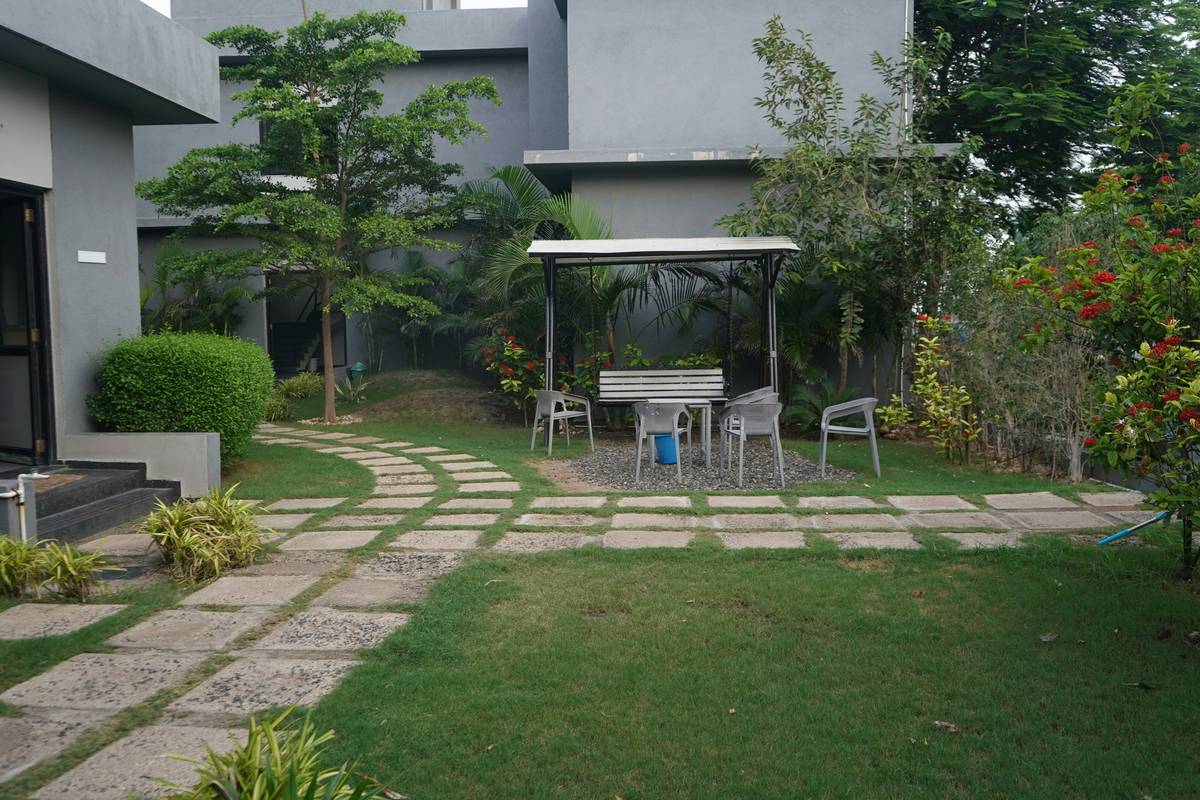
You spent weekends hauling soil, planting blooms, and arranging patio sets—only to watch your garden feel… off. Cluttered. Uninviting. Like it’s trying too hard but missing soul. The problem isn’t your effort—it’s the foundation. And most guides ignore what actually makes outdoor spaces breathe: intentional structure, not just stuff. Here’s how to make a good garden that feels alive, not staged.
Why Most Gardens Fail (Even When They Look “Pretty”)
People obsess over flowers or fancy furniture—but forget function. A garden without rhythm becomes visual noise. And garden tables? Often slapped down as afterthoughts. They dominate sightlines, block flow, or rot in two seasons because material choice was an impulse buy.
Here’s the reality: aesthetics follow utility. If your table can’t weather a storm—or a Tuesday taco night—it’s dead weight.
How to Make a Good Garden: The Material-First Table Blueprint
Start with your table. Not the plants. Not the lighting. The anchor point people gather around dictates everything else—traffic patterns, scale, even mood. Get this wrong, and you’re rearranging deck chairs on the Titanic.
Wood That Lasts vs. Wood That Lies
Cedar and teak resist rot naturally—no toxic sealants needed. Pine? Looks cheap fast unless you re-stain every spring. And “pressure-treated” often means arsenic legacy or green-tinged splinters by summer’s end. Skip it.
Metal Myths Debunked
Aluminum won’t rust—but it dents like foil and gets scorching hot. Powder-coated steel? Only survives if drainage is perfect. One puddle under a leg = corrosion city. Cast iron? Gorgeous until it chips, then it’s a rust volcano.
Stone & Concrete: Cold Truths
Yes, they’re indestructible. But try moving a 200-pound concrete-top table when you redesign. You won’t. And stone needs sealing—otherwise, red wine becomes a permanent tattoo.
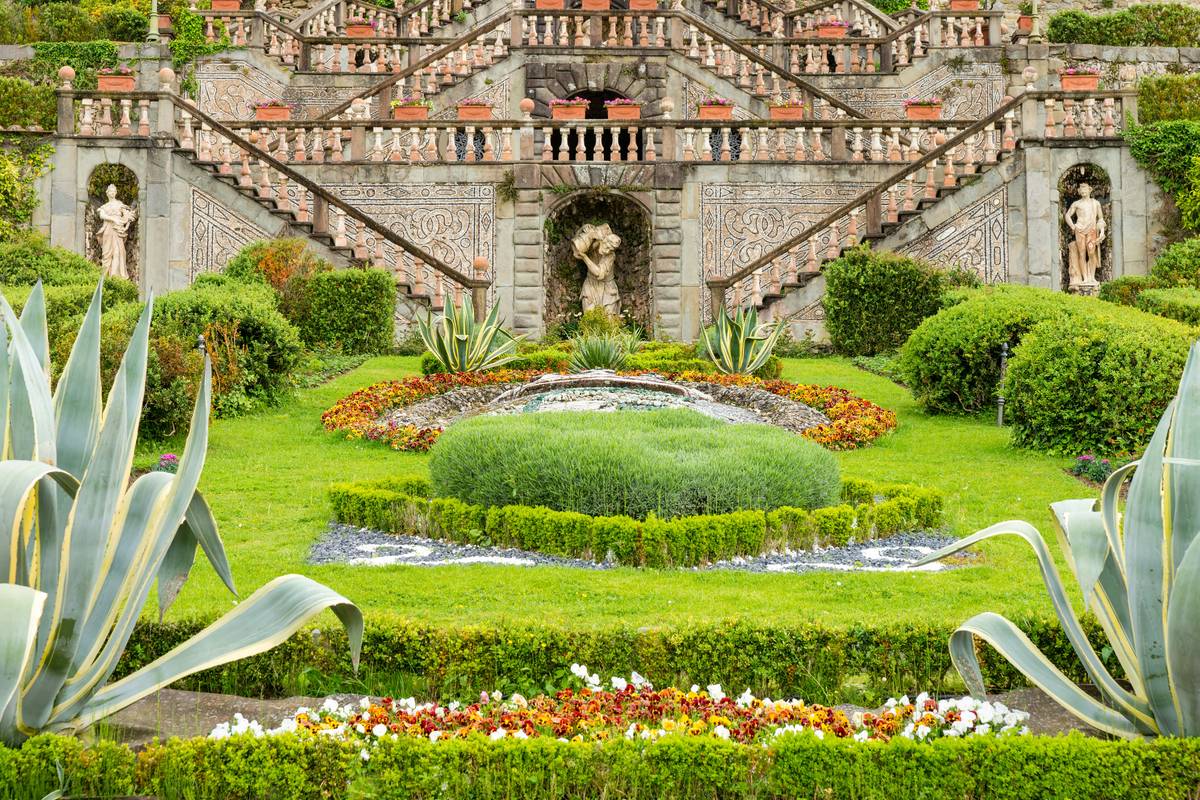
| Material | Lifespan (Years) | Avg. Cost Range | Maintenance Needed | Ideal Climate |
|---|---|---|---|---|
| Teak | 20–30+ | $800–$2,500 | None (patina optional) | All—especially humid |
| Cedar | 10–15 | $400–$1,200 | Light oiling every 2–3 yrs | Temperate to dry |
| Powder-Coated Steel | 5–8 | $250–$700 | Touch-up chips annually | Dry, low-humidity |
| Concrete Composite | 15–25 | $600–$1,800 | Seal every 3 years | All—but avoid freeze-thaw cycles |
The Industry Secret: Design Backwards From the Last Guest Standing
Most homeowners plan for parties. Pros plan for the quiet moment after. Who’s lingering at 9 PM with a whiskey? What’s within arm’s reach? Shade? A side table for their glass? Level ground so chairs don’t wobble?
Build your garden table zone for solitude—not crowds. Because if it works for one person at midnight, it’ll dazzle ten at noon. I once advised a client to ditch their 8-seater for a compact 4-top with built-in ice bucket slots. Their “entertaining stress” vanished. So did neighbor envy.
Frequently Asked Questions
What’s the easiest garden table material to maintain?
Teak tops—zero upkeep. It grays gracefully and never rots. Just hose it off twice a year.
Can I leave my garden table outside all winter?
Only if it’s solid teak, stone, or marine-grade polymer. Everything else needs covering or storage—moisture is the silent killer.
How big should my garden table be?
Allow 24 inches per seat width. For four adults? Minimum 48-inch diameter round or 72×30-inch rectangle. Cramped seating kills conversation faster than bad wine.