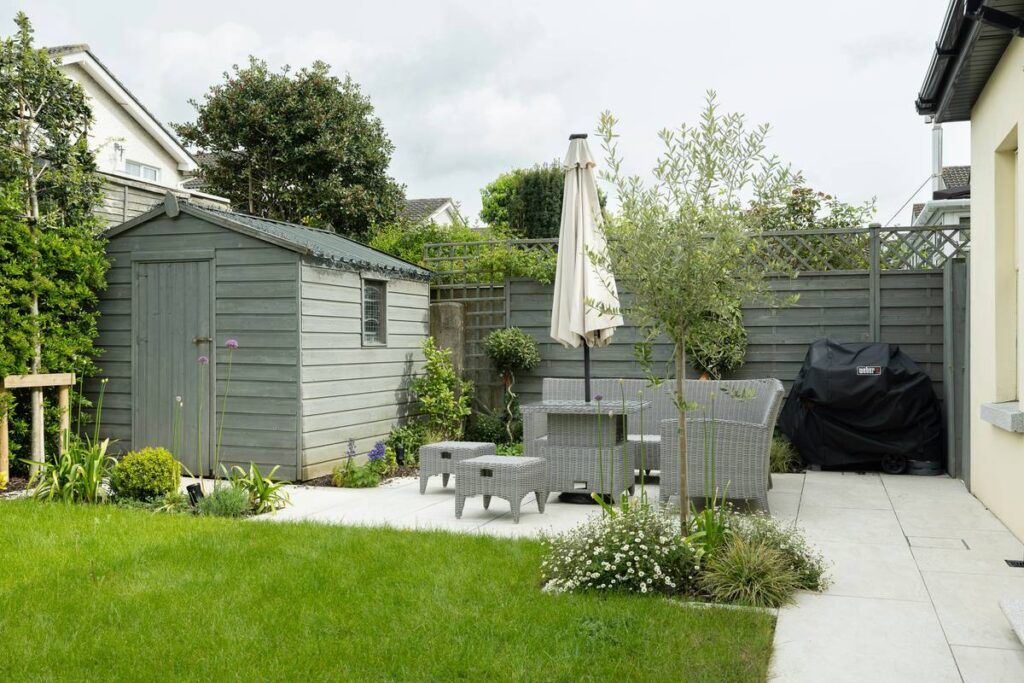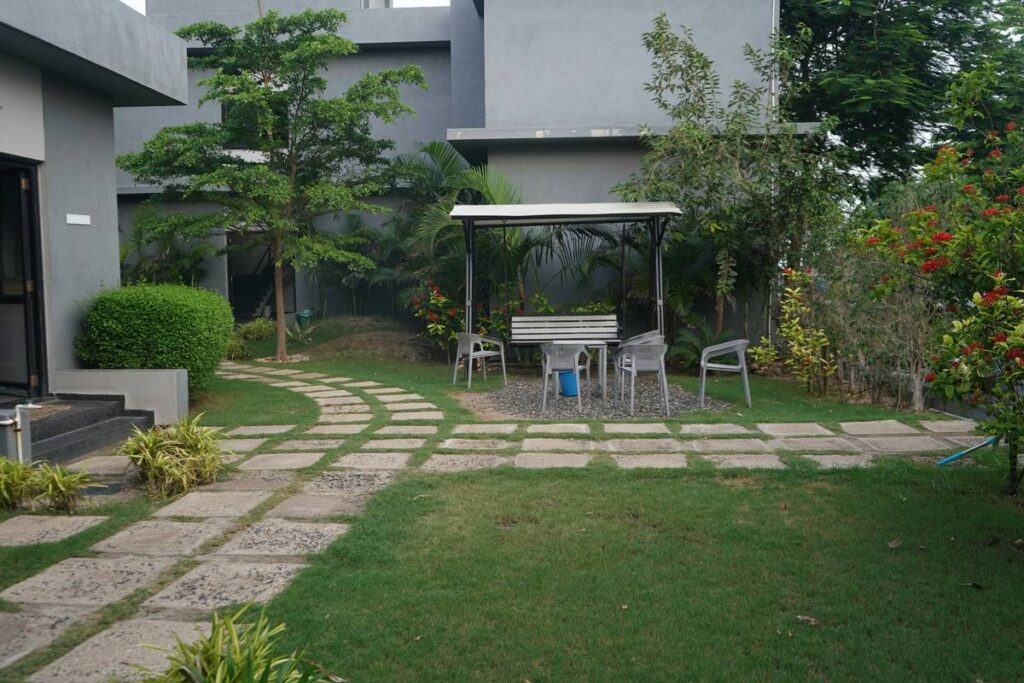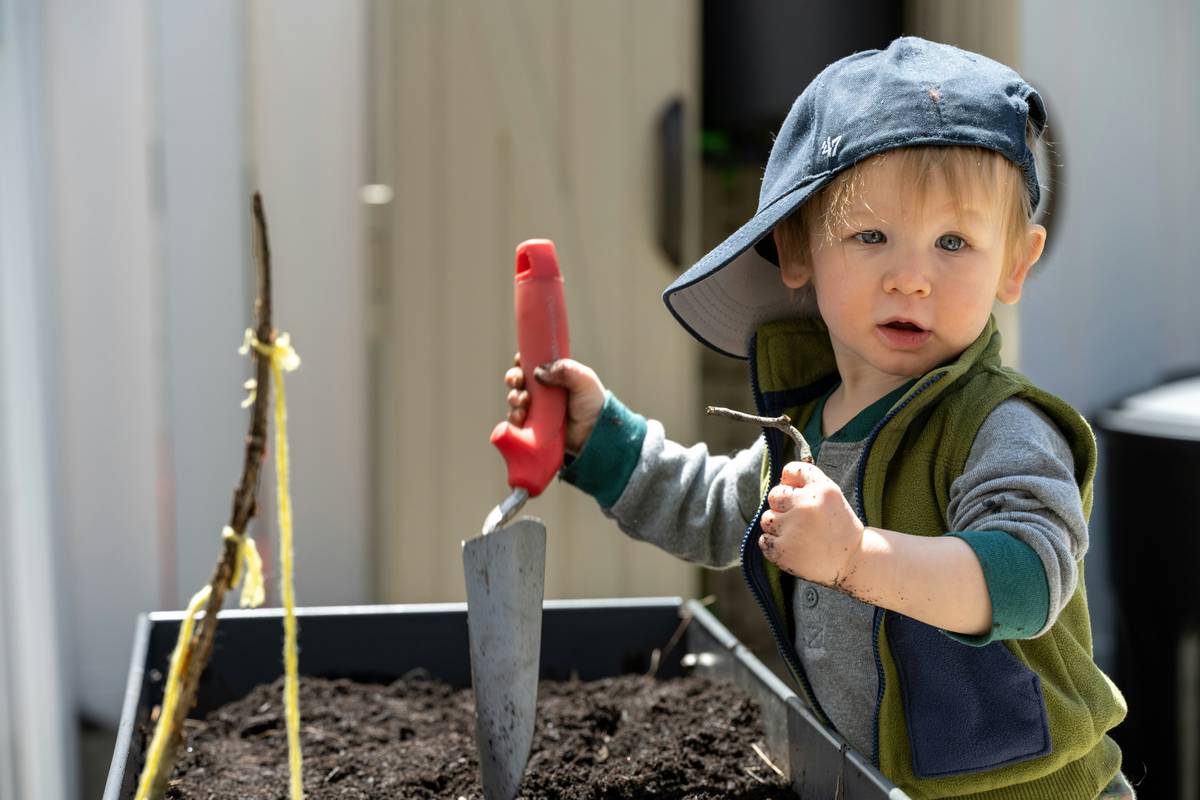
If you’ve ever stared at a bare patch of backyard wondering where to even start, you’re not alone. Gardening feels magical—until your seedlings wilt or your patio setup turns into a wobbly disaster. As someone who once bought a gorgeous teak garden table only to watch it crack within months from improper placement and zero weather prep, I’ve learned that how to garden for beginners isn’t just about plants—it’s about smart, sustainable choices from the ground up.
Table of Contents
- Why Beginner Gardening Matters in Home Improvement
- Your Step-by-Step Gardening Launch Plan
- Top Best Practices for Long-Term Success
- Real-World Results: What Works (and What Doesn’t)
- Frequently Asked Questions
Key Takeaways
- Start small: Focus on sunlight, soil, and water before buying furniture or decor.
- Garden tables aren’t just aesthetic—they affect usability and maintenance.
- Avoid “plant everything” syndrome; curated spaces thrive better.
- Use durable, low-maintenance materials like powder-coated aluminum or recycled plastic.
- Connect with experts early—like our team at Wading River Properties.
Why Beginner Gardening Matters in Home Improvement
Outdoor spaces are no longer afterthoughts—they’re extensions of your living area. According to the National Association of Landscape Professionals, 78% of homeowners say outdoor improvements increase their home’s perceived value. But here’s the catch: poor planning leads to wasted money and frustration. I once invested in a stunning reclaimed-wood garden table, only to realize too late it wasn’t sealed for humidity. After one rainy spring, it warped beyond repair—costing me both cash and confidence.

Your Step-by-Step Gardening Launch Plan
1. Assess Your Space Honestly
Track sunlight patterns for 3–5 days. Full sun? Partial shade? Note drainage issues—standing water kills roots fast. Measure your area; oversized furniture overwhelms small yards.
2. Choose the Right Garden Table Material
Your choice impacts longevity and upkeep. Teak is beautiful but pricey and needs annual oiling. Powder-coated aluminum resists rust, is lightweight, and cleans easily—ideal for beginners. Recycled plastic mimics wood without splintering or rotting. For guidance on material durability, refer to the USDA’s sustainable landscaping resources (usda.gov).
3. Start with Easy Plants
Basil, mint, marigolds, and zinnias thrive with minimal care. Avoid fussy perennials until you’ve mastered watering schedules and pest spotting.
Top Best Practices for Long-Term Success
- Never skip soil prep. Mix in compost—even container gardens need nutrient-rich blends.
- Elevate your table slightly. Use adjustable feet to prevent moisture pooling underneath.
- Water early morning. Reduces evaporation and fungal risks.
- Avoid the “terrible tip”: Don’t line pots with gravel “for drainage”—it actually raises water saturation. Use mesh screens instead.
Real-World Results: What Works (and What Doesn’t)
Last year, a client in Long Island followed our minimalist starter plan: two raised beds, a compact aluminum garden table, and five foolproof herbs. Within 10 weeks, they harvested enough basil for weekly pesto—and hosted their first outdoor dinner party. Contrast that with another homeowner who rushed into buying a massive stone-top table before testing soil pH. The acidic ground corroded metal legs within months. Lesson? Match your furniture to your environment—not Pinterest fantasies.
Data from the University of Illinois Extension confirms that beginner gardeners who prioritize soil health and realistic layouts see 63% higher plant survival rates in Year 1 (extension.illinois.edu).
Frequently Asked Questions
What’s the easiest plant for complete beginners?
Mint and cherry tomatoes. They’re forgiving, grow quickly, and reward minimal effort.
Do I need a garden table right away?
No—but if you add seating early, choose weather-resistant materials. It encourages time outdoors, which builds gardening habits.
How much space do I need to start?
Even a 4’x4’ corner works. Vertical planters or railing boxes maximize tiny patios.
Can I garden if I rent my home?
Absolutely. Use containers and portable tables. Just review your lease—some restrict permanent structures. Check our Privacy Policy if sharing rental details with us.
Should I test my soil?
Yes. Home kits cost under $20 and reveal pH and nutrient gaps. Critical for avoiding plant failure.
Where can I get personalized advice?
We offer free consultations! Reach out via our Contact Us page—we’ve helped hundreds launch thriving outdoor spaces.
Gardening isn’t about perfection—it’s about showing up, learning, and growing alongside your plants. And remember: a sturdy, thoughtfully chosen garden table isn’t just furniture—it’s your command center for dirt-under-the-nails joy.