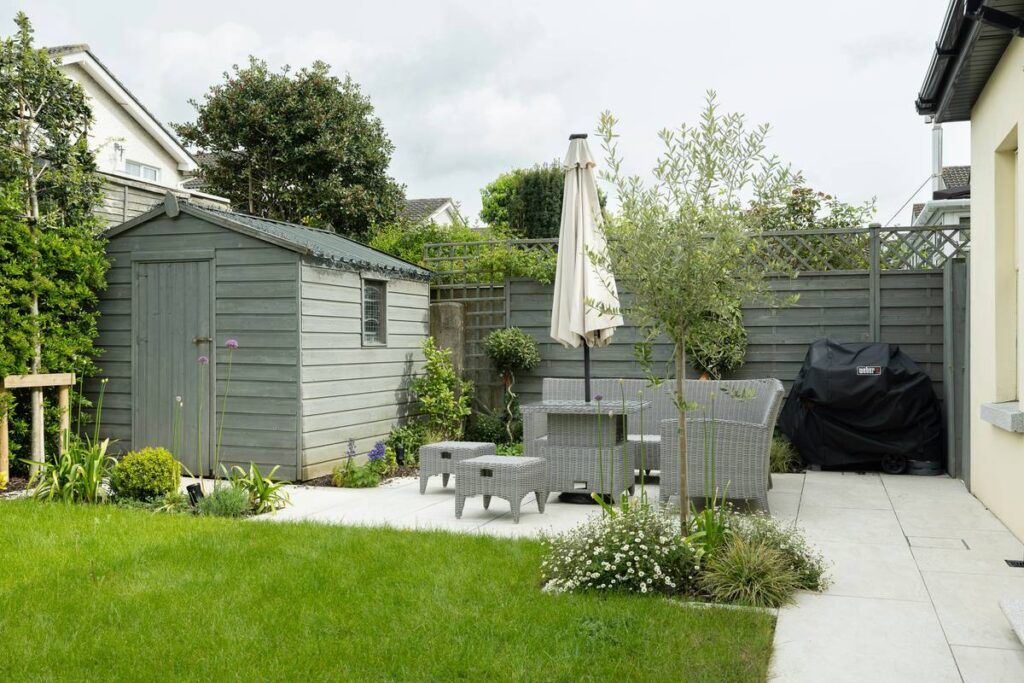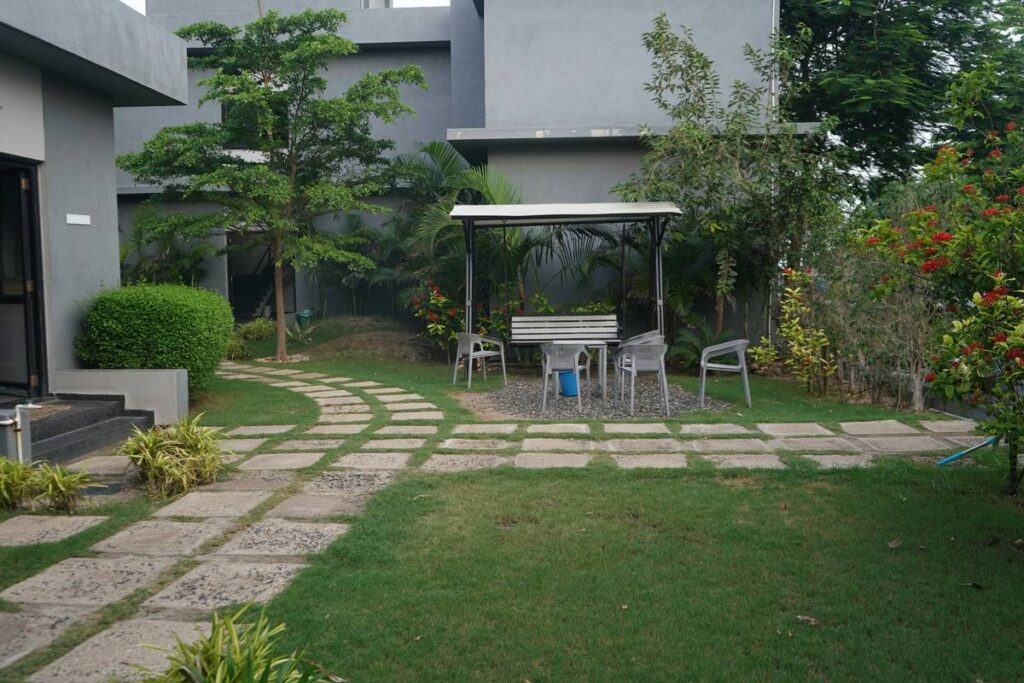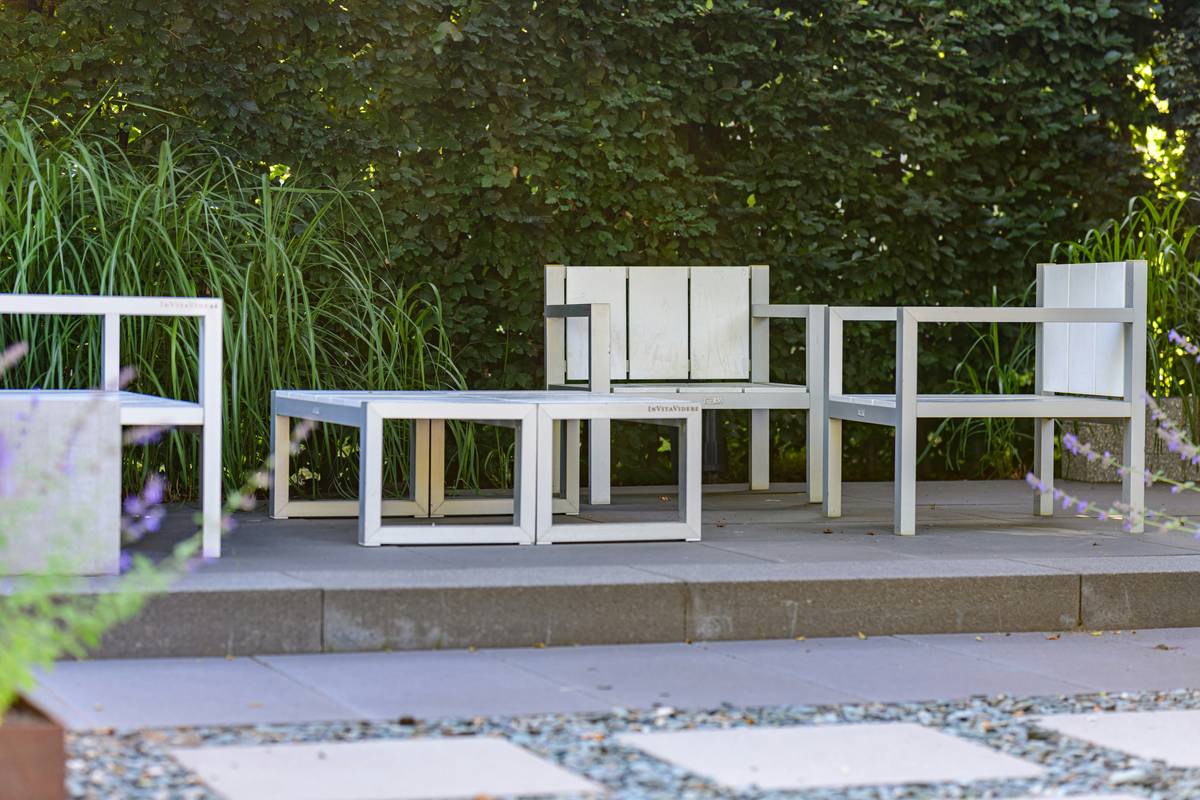
Ever spent a weekend hauling patio stones, planting perennials, and arranging your dream garden table—only to realize it’s shaded by a tree all afternoon or collapses after the first rain? You’re not alone. How to design your garden isn’t just about aesthetics—it’s about creating functional, durable outdoor living spaces that reflect your lifestyle. In this guide, we’ll walk you through practical steps, materials know-how, and real-world lessons (some learned the hard way) so your next garden project thrives—not flops.
Table of Contents
- Why Garden Design Matters in Home Improvement
- Step-by-Step Guide to Thoughtful Garden Layouts
- Top 5 Best Practices for Durable, Beautiful Garden Tables
- Real-World Examples That Actually Worked
- Frequently Asked Questions
Key Takeaways
- Start with sun exposure and drainage—before buying a single piece of furniture.
- Choose garden table materials based on climate, not just looks.
- Avoid placing heavy tables on uneven soil; it leads to wobbling and wear.
- Always leave at least 36 inches of clearance around seating areas.
- Test mock layouts with painter’s tape before committing.
Why Garden Design Matters in Home Improvement
Gardens aren’t just “outdoor rooms”—they’re extensions of your home’s value and livability. According to the National Association of Realtors, well-designed landscaping can boost a property’s perceived value by up to 12%. But too many homeowners treat garden design as an afterthought, slapping down a metal bistro set without considering wind patterns, soil compaction, or seasonal sun angles.

I once installed a gorgeous teak garden table under a pergola—only to discover too late that runoff from the roof pooled underneath after every storm. Within two months, the legs warped. Lesson learned: how to design your garden starts with environmental assessment, not Pinterest inspiration boards.
Step-by-Step Guide to Thoughtful Garden Layouts
Map Sunlight and Shade Patterns
Track where sunlight hits your yard hourly over two days. Use free tools like Sun Surveyor or even time-lapse photos. Dining areas need 4–6 hours of indirect light for comfort without glare.
Evaluate Soil and Drainage
Pour a gallon of water on potential table sites. If it pools longer than 10 minutes, you’ll need gravel bases or raised pavers. Poor drainage = rust, rot, and wobbly legs.
Measure Traffic Flow
Mark pathways with garden hose or chalk. Ensure 36–48 inches between fixed elements so chairs can slide out easily. Cramped circulation kills usability—and guest comfort.
Choose Scale Over Style (Initially)
A tiny bistro set drowns in a large yard; a 96-inch table overwhelms a 10×10 patio. Match furniture scale to your actual usable space, not your dreams.
Top 5 Best Practices for Durable, Beautiful Garden Tables
- Prioritize material resilience: Aluminum resists rust in coastal zones; teak excels in humidity but needs annual oiling (U.S. Forest Service confirms teak’s natural oils repel moisture).
- Anchor if necessary: In windy areas, use ground stakes or weighted bases—especially for glass-topped tables.
- Avoid mixed metals: Combining iron and aluminum accelerates galvanic corrosion when wet.
- Pre-assemble on-site: Don’t haul fully built tables through narrow gates—most kits are designed for flat-pack assembly outdoors.
- Never skip the mock-up: Lay out cardboard cutouts of your table and chairs. Walk through it. Sit in it. Adjust before spending $500+.
Real-World Examples That Actually Worked
A client in Long Island upgraded their patio with a powder-coated steel table after years of warped pine. They paired it with permeable pavers for drainage—a combo that survived three nor’easters with zero maintenance. Their secret? They started by answering: “How do I want to use this space?” (Answer: Sunday brunches + kids’ homework.) That clarity dictated size, height, and umbrella placement.
Another homeowner followed USDA Hardiness Zone guidance (Zone 7b) and chose eucalyptus over cheaper cedar. Five years later, the table still resists cracking—unlike neighbors’ who prioritized price over climate compatibility.
Frequently Asked Questions
What’s the best material for a garden table in humid climates?
Teak, eucalyptus, or marine-grade polymer. These resist warping and fungal growth better than pine or untreated oak.
How much space do I need for a comfortable garden dining area?
Allow at least 7×7 feet for a four-person table with chair clearance. Add 2 feet if you plan sideboards or planters.
Can I place a garden table directly on grass?
Not long-term. Grass compacts unevenly, causing wobble. Use patio stones, deck tiles, or a compacted gravel base.
Should I match my garden table to my house siding?
Not necessarily—but coordinate undertones. A warm cedar table pairs better with brick than cool gray vinyl.
Where can I learn more about sustainable outdoor materials?
Check resources like the Sustainable Furnishings Council or our About Us page, where we detail our commitment to eco-conscious property enhancements.
Designing a garden isn’t about perfection—it’s about creating a space that works for you, rain or shine. If you’ve sketched layouts but feel stuck on materials or zoning rules, reach out. Our team at Wading River Properties specializes in blending form, function, and local conditions. And yes—we read every inquiry personally (see our Privacy Policy for how we protect your details).
Final thought: “A garden table isn’t furniture—it’s where memories take root.”