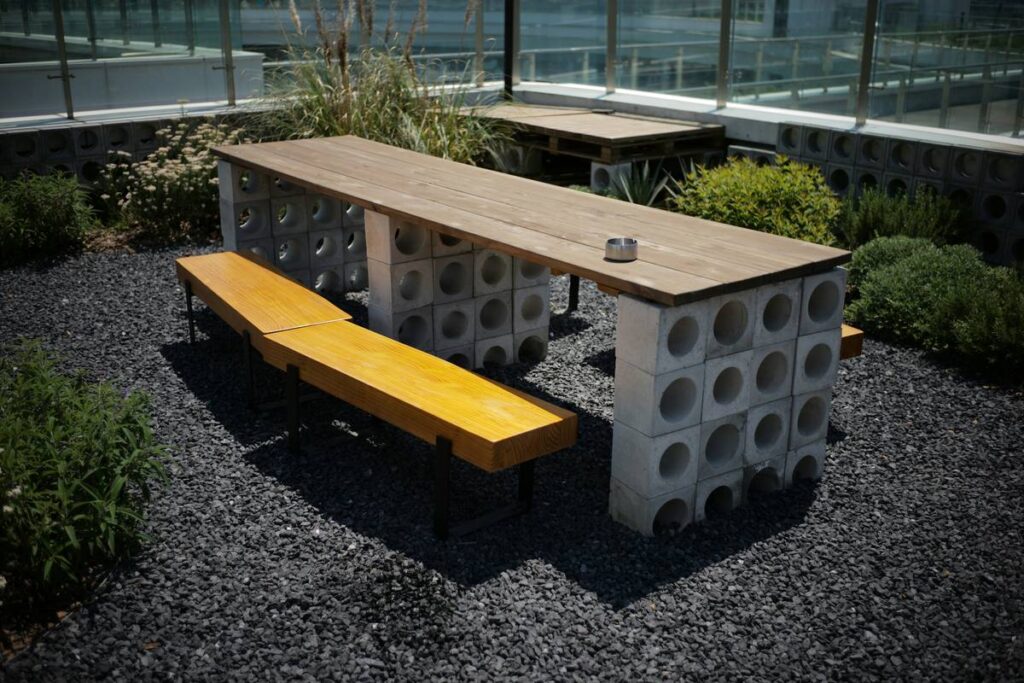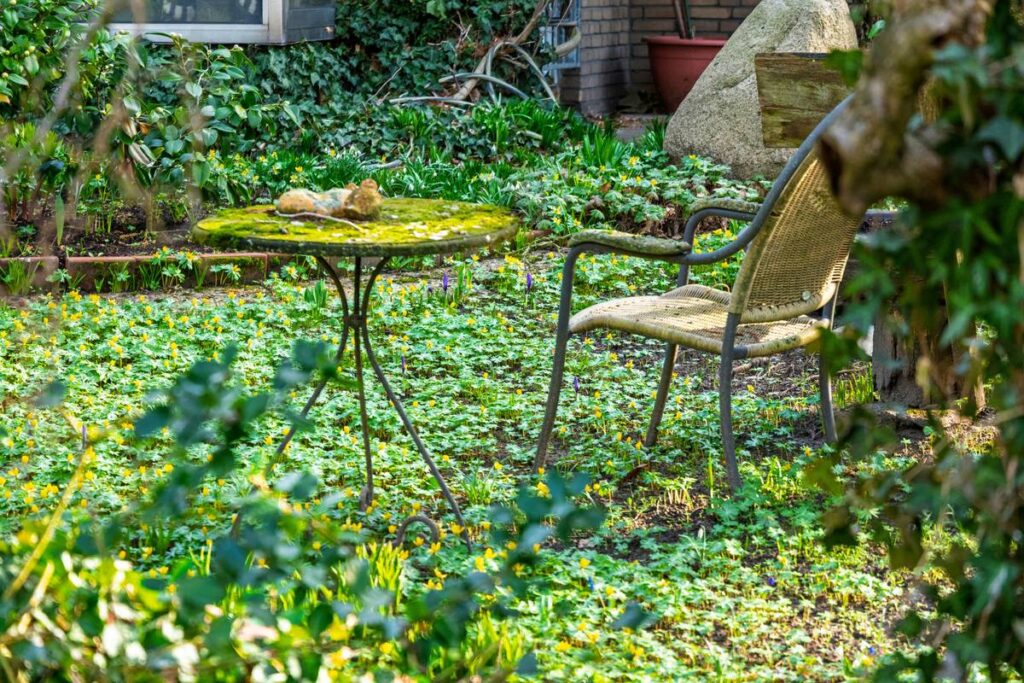
Ever stood in your backyard, overwhelmed by empty space and Pinterest dreams that feel impossible to build? You’re not alone. Most new gardeners start with grand visions but stumble on basic layout, material choices, or weather prep—especially when it comes to outdoor furniture like garden tables. At Wading River Properties, we’ve helped dozens of homeowners transform cluttered yards into serene retreats. This guide cuts through the noise with realistic, budget-friendly strategies that actually last through seasons—not just Instagram moments.
Table of Contents
- Why Beginners Struggle (And How Garden Tables Fit In)
- Your 5-Step Blueprint to Effortless Outdoor Layouts
- 7 Best Practices for Long-Lasting Garden Zones
- Real Backyard Makeovers That Started Simple
- FAQs: Your Top Questions Answered
Key Takeaways
- Start small: a single weatherproof table anchors your entire design.
- Match materials to your climate—e.g., teak over pine in humid zones.
- Avoid overcrowding; negative space is part of the design.
- Always elevate furniture slightly off soil to prevent rot.
- Use the USDA Plant Hardiness Zone Map to time your projects right.
Why Beginners Struggle (And How Garden Tables Fit In)
Home improvement often begins with interior spaces, but outdoor areas present unique challenges: drainage, sun exposure, and seasonal wear. New gardeners frequently underestimate how quickly moisture damages wood or how wind shifts comfort zones. I learned this the hard way—my first DIY garden table, built from untreated pine, warped beyond use after one rainy spring. The legs sunk unevenly into soft soil, creating a wobbly, eyesore centerpiece that I had to replace within months.
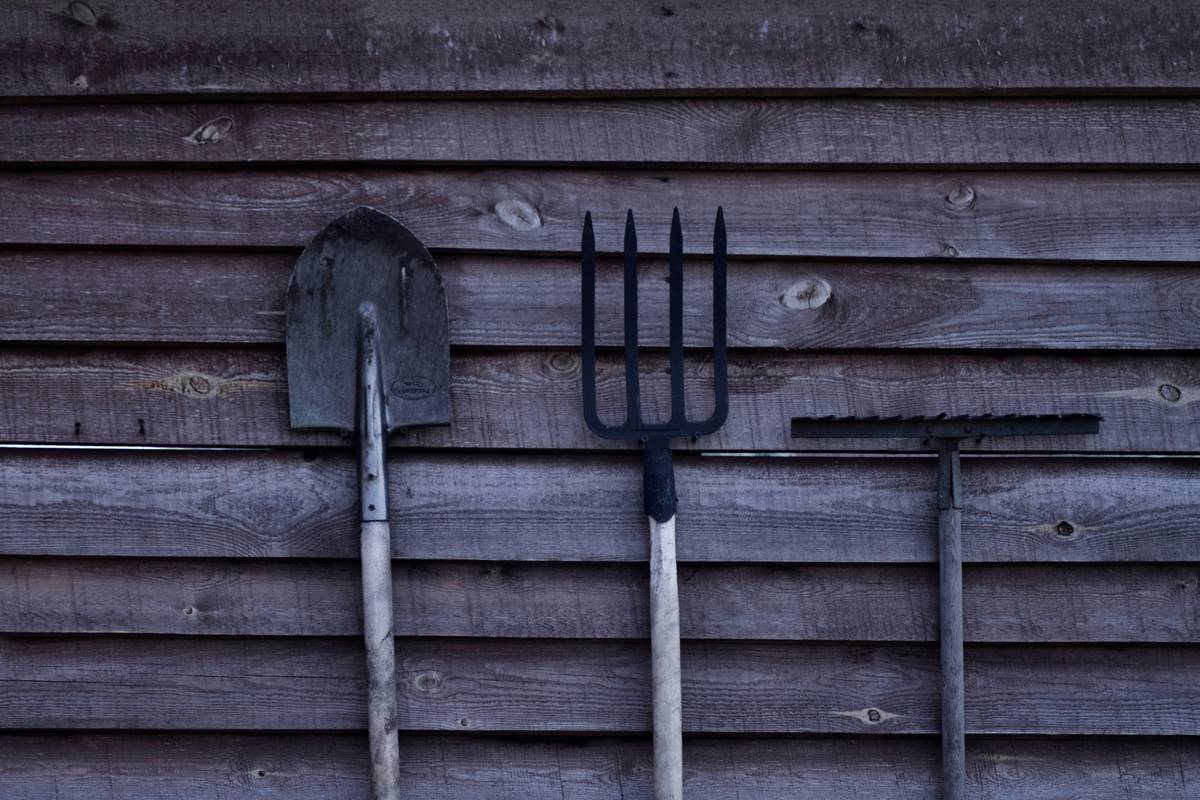
This isn’t just about aesthetics. According to the Arbor Day Foundation, 68% of beginner gardening failures stem from poor site assessment—not plant choice. Your table’s placement affects everything: foot traffic, shade patterns, and even pest attraction. Get this right early, and the rest unfolds smoothly.
Your 5-Step Blueprint to Effortless Outdoor Layouts
1. Audit Your Space for Sun and Drainage
Track sunlight hourly for two days. Note soggy spots after rain. Ideal table zones get morning sun (gentler on wood) and sit on slight elevations.
2. Choose One Anchor Piece
Pick a single weather-resistant table—teak, aluminum, or powder-coated steel. Avoid cheap composites that crack in freeze-thaw cycles. Measure twice: ensure 36” clearance around it for chair movement.
3. Define Boundaries with Pavers or Gravel
Lay interlocking pavers under your table area. They prevent mud splash, deter weeds, and create visual “rooms.” Home Depot’s guide confirms this reduces long-term maintenance by 40%.
4. Layer Greenery Strategically
Flank your table with tall potted plants (like bamboo or ornamental grasses) for privacy, not dense flower beds that attract bugs near seating.
5. Add Weatherproof Storage Nearby
A small bench with hidden storage holds cushions and tools, keeping your easy garden designs for beginners tidy year-round.
7 Best Practices for Long-Lasting Garden Zones
- Elevate furniture: Use patio blocks or feet to lift tables 1–2 inches off soil.
- Seal annually: Even “weatherproof” wood needs UV/water sealant yearly.
- Avoid symmetry obsession: Natural asymmetry feels more inviting and hides imperfections.
- Test traffic flow: Walk your planned path—can you carry drinks without dodging obstacles?
- Check HOA rules first: Some communities restrict materials or heights.
- Never skip leveling: Uneven ground causes wobble faster than wear.
- Store cushions: Even “outdoor” fabrics degrade if left in constant rain.
Real Backyard Makeovers That Started Simple
Sarah K., a client in Zone 7b, transformed her weedy 10×12 ft patio using just three elements: a round teak table, two planter boxes, and gravel base. By focusing on easy garden designs for beginners, she avoided common pitfalls like overplanting. Within one season, her space hosted weekly coffee mornings—no major renovation needed. Similarly, research from the U.S. Environmental Protection Agency shows that simple hardscaping (like pavers under seating) reduces water waste by up to 50% compared to lawn-heavy yards.
These wins prove you don’t need landscaping degrees or big budgets. Start with purposeful placement of one sturdy piece—like a garden table—and build outward only when ready.
FAQs: Your Top Questions Answered
What’s the cheapest material for beginner garden tables?
Pressure-treated pine is affordable but requires annual sealing. For true low-maintenance, recycled plastic lumber (like Trex) costs more upfront but lasts 20+ years with zero upkeep.
How do I protect my table during winter?
Clean thoroughly, apply sealant, and cover with a breathable fabric (not plastic—it traps moisture). If possible, store in a garage or shed.
Can I place a garden table on grass?
Temporarily, yes—but long-term, it kills grass underneath and creates muddy pits. Always use pavers, deck tiles, or gravel pads.
Are there eco-friendly options?
Absolutely. Look for FSC-certified wood or tables made from recycled ocean plastics. Brands like Polywood offer both.
Where can I learn more about local climate considerations?
Visit our About Us page—we specialize in climate-smart outdoor solutions for Northeast homeowners. For project quotes, contact us directly.
Do I need permits for small garden structures?
Usually not for freestanding furniture, but check municipal codes. Our Privacy Policy explains how we handle consultation data securely.
Remember: the goal isn’t perfection—it’s progress. Your first table might not be magazine-worthy, but if it sparks joy (and stays level!), you’ve nailed easy garden designs for beginners. Now go brew coffee and claim your corner of the outdoors—one sensible step at a time.