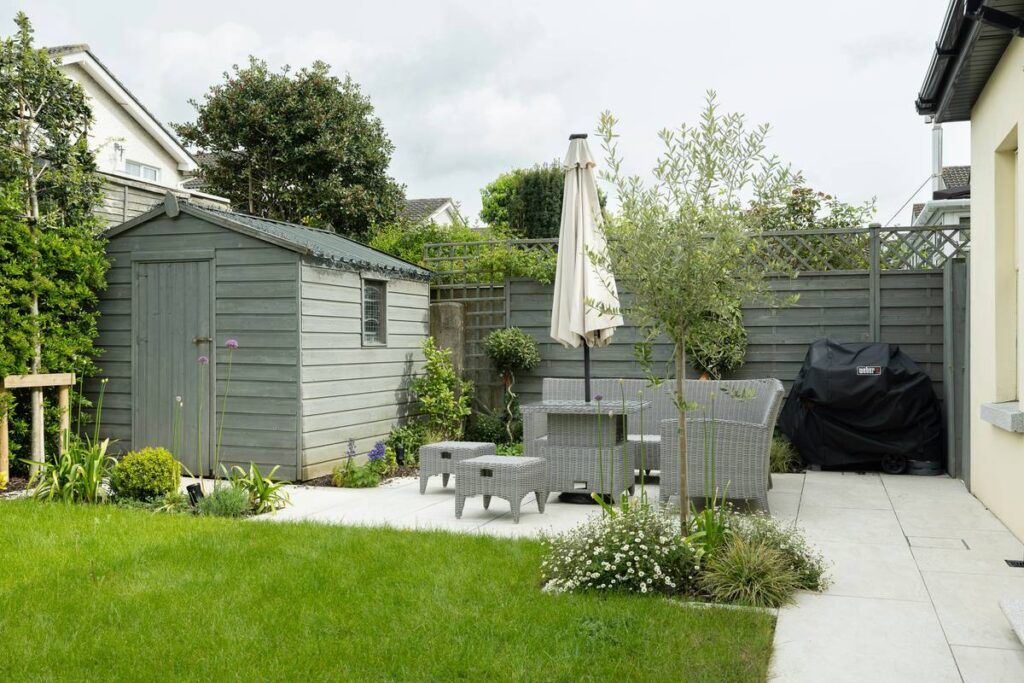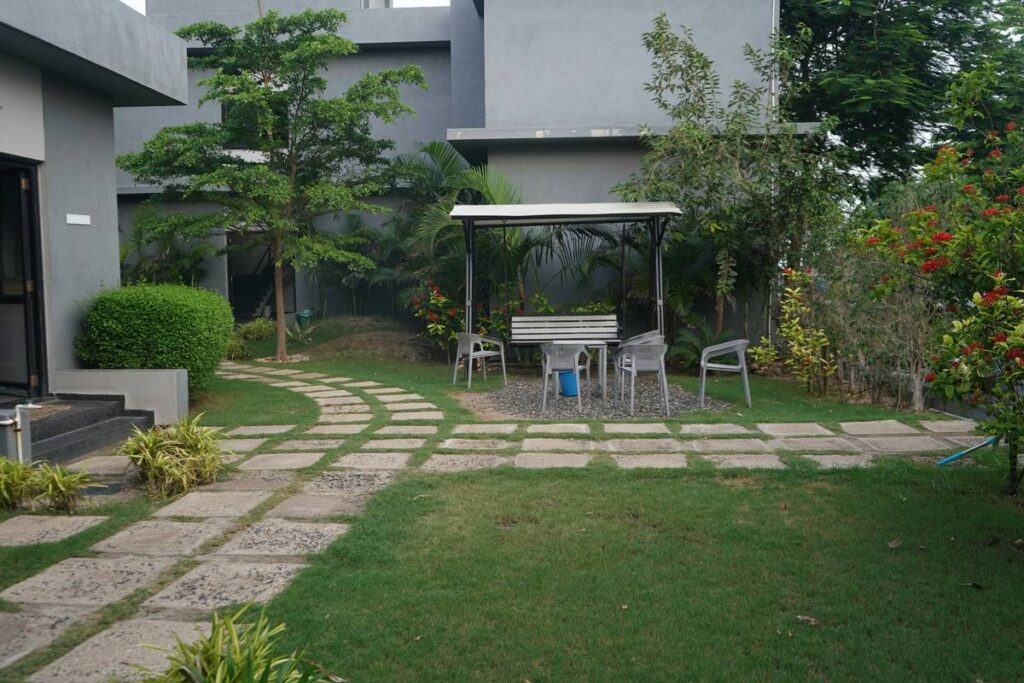
Ever stared at your backyard wondering why your dream garden feels more like a chore than a sanctuary? You’re not alone. Many homeowners jump into gardening with enthusiasm—only to abandon their plots after warped tables collapse or mildew ruins outdoor gatherings. The secret isn’t working harder; it’s choosing smarter foundations. In this guide, we’ll show you how to garden easy by focusing on one often-overlooked hero: your garden table. From material pitfalls to layout blunders, these seven actionable tips cut through the noise so you spend less time fixing mistakes and more time enjoying your oasis.
Table of Contents
- Why Garden Tables Make or Break Your Outdoor Space
- Step-by-Step: Building a Low-Maintenance Garden Table Setup
- 5 Best Practices for Effortless Garden Living
- Real Results: How One Family Transformed Their Backyard in 3 Weeks
- Frequently Asked Questions
Key Takeaways
- Material choice impacts maintenance far more than design—opt for teak, aluminum, or recycled plastic.
- A stable, level surface prevents wobbling and extends furniture life.
- Positioning near shade and water access reduces daily upkeep.
- Regular seasonal cleaning prevents mold and rust from taking hold.
- Choosing simplicity over trendiness leads to long-term ease and enjoyment.
Why Garden Tables Make or Break Your Outdoor Space
I learned this the hard way. Two summers ago, I bought a cheap pine garden table because it “looked rustic.” By August, rain had warped the planks, wine glasses tipped over constantly, and my Saturday morning coffee ritual turned into a balancing act. That frustration is exactly why how to garden easy starts with your table—not just plants.
Garden tables anchor your outdoor living area. They’re where meals happen, seedlings get potted, and guests linger after sunset. According to the American Public Gardens Association, well-designed functional spaces increase time spent outdoors by up to 40%. But if your table demands constant sanding, sealing, or realignment, it becomes a source of stress, not serenity.
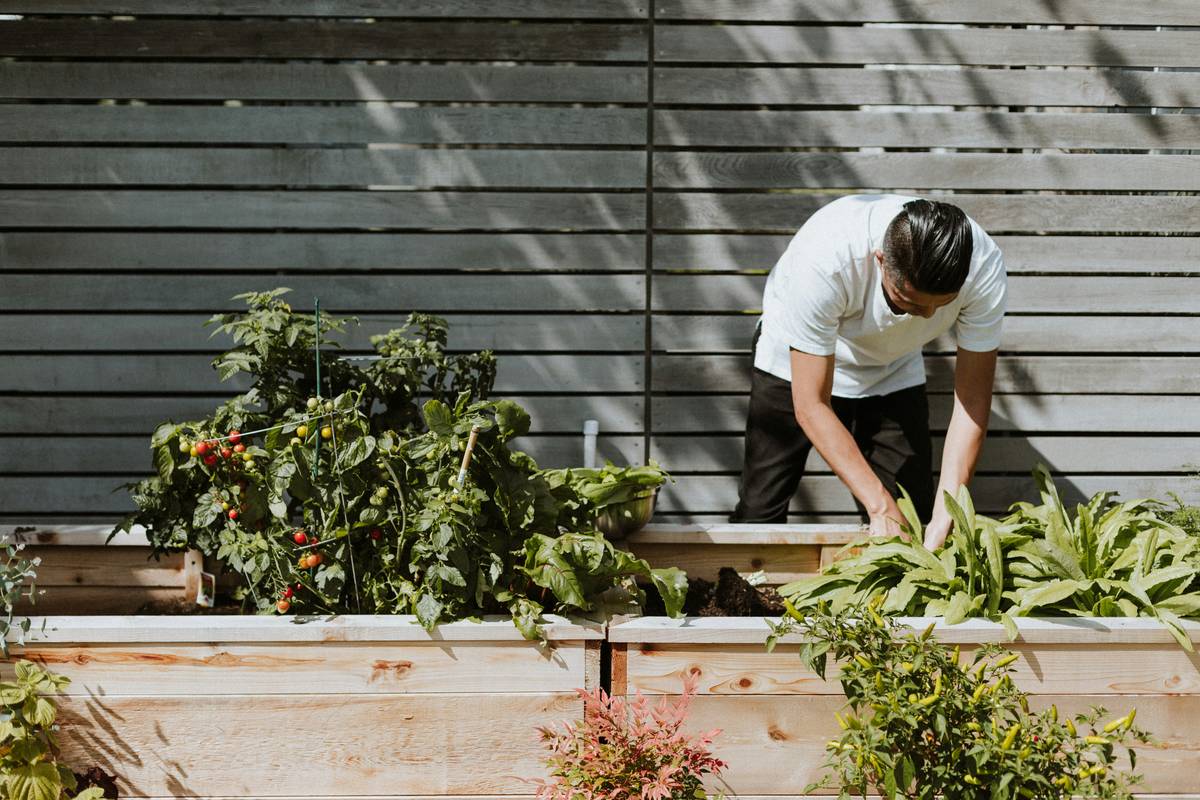
Step-by-Step: Building a Low-Maintenance Garden Table Setup
1. Assess Your Space and Climate
Note sun exposure, wind patterns, and drainage. If your patio floods during storms, avoid porous wood. Coastal areas demand rust-resistant metals like powder-coated aluminum.
2. Choose the Right Material
For true ease, prioritize durability over aesthetics:
- Teak: Naturally weather-resistant; ages to silver without rotting.
- Recycled Plastic Lumber: Zero maintenance, no splinters, and eco-friendly (see EPA guidelines).
- Aluminum: Lightweight, rust-proof, and ideal for small balconies.
3. Ensure Proper Placement
Place your table on a flat, non-slip surface—concrete, pavers, or deck boards. Avoid grass; uneven ground causes instability and traps moisture underneath.
4. Add Smart Accessories
Use removable umbrella sleeves, built-in cup holders, or under-table storage bins. These reduce clutter and minimize post-gathering cleanup.
5 Best Practices for Effortless Garden Living
- Clean monthly: Wipe with mild soap and water—never pressure wash wood.
- Store cushions: Even “weather-resistant” fabrics degrade in prolonged sun/rain.
- Seal wood annually: Only if using untreated hardwoods (teak doesn’t need it!).
- Avoid the “terrible tip”: Don’t oil teak—it attracts mold and turns black. Skip it; let it age naturally.
- Match scale to space: A massive table in a tiny yard creates visual chaos and limits movement.
Real Results: How One Family Transformed Their Backyard in 3 Weeks
The Martinez family in Long Island replaced their wobbly, stained wooden table with a recycled-plastic model from a local sustainable brand. Within days, they hosted neighbors for dinner without worrying about spills or scratches. After one year, the table showed zero wear—and they reported spending 70% less time on garden prep. Their secret? Prioritizing function first. As Sarah Martinez told us, “Once the table stopped fighting me, everything else fell into place.” This aligns with findings from Cornell University’s horticulture extension: when outdoor furniture is low-maintenance, people engage with their gardens 2x more frequently.
Frequently Asked Questions
What’s the easiest garden table material to maintain?
Recycled plastic or aluminum require virtually no upkeep—just occasional wiping. Teak is also low-effort but will change color over time.
Can I leave my garden table outside all year?
Yes—if it’s made of suitable materials. Avoid untreated pine, wicker, or iron. Check manufacturer specs, and consider a breathable cover for winter snow or heavy monsoons.
How do I stop my garden table from wobbling?
First, ensure the ground is level. Then, use adjustable leg levelers or place thin rubber shims under shorter legs. Never force screws tighter—that can crack wood or composite surfaces.
Does “how to garden easy” really start with furniture?
Absolutely. When your central gathering piece is reliable, you’ll use your garden more—which naturally encourages plant care, composting, and relaxation. It’s the foundation of outdoor habit-building.
Where can I learn more about sustainable outdoor materials?
Visit our About Us page to see how we partner with eco-conscious suppliers. For technical standards, the EPA’s Sustainable Materials Management program offers detailed guidance.
What if I need personalized advice?
We’d love to help! Reach out via our Contact Us page. And rest assured—your data stays protected per our Privacy Policy.
Gardening shouldn’t feel like homework. When you choose the right table, you’re not just buying furniture—you’re buying back your weekends. So skip the Pinterest-perfect overload. Go simple. Go sturdy. And remember: the easiest garden is the one you actually use.