Ever spent a sunny Saturday assembling a gorgeous garden table—only to watch it warp, crack, or rust after one rainy season? You’re not alone. The right how to garden design approach doesn’t just create beauty; it builds durability, comfort, and value into your outdoor space from day one. In this guide, we’ll walk you through material choices, placement pitfalls, and design hacks specifically for garden tables—the unsung heroes of outdoor entertaining.
Table of Contents
- Why Garden Table Materials Matter in Home Improvement
- Step-by-Step Guide to Choosing and Placing Your Table
- Best Practices for Long-Lasting Outdoor Dining
- Real-World Examples of Smart Garden Table Designs
- Frequently Asked Questions
Key Takeaways
- Material choice directly impacts longevity, maintenance, and aesthetic harmony in your garden layout.
- Placement affects both usability and exposure to weather—shade isn’t always better!
- Avoid common “budget hacks” that lead to faster degradation (e.g., untreated wood on damp soil).
- Pair your table with complementary seating and lighting for a cohesive how to garden design outcome.
Why Garden Table Materials Matter in Home Improvement
Your garden table is more than furniture—it’s a focal point for meals, conversations, and memories. But pick the wrong material, and you’ll face constant repairs, stains, or even safety hazards. According to the U.S. Forest Service’s Forest Products Laboratory, untreated softwoods can deteriorate within 18 months when exposed to moisture and UV rays without proper sealing.
I learned this the hard way. A few years back, I bought a cheap pine picnic table for my backyard. It looked rustic—until the first downpour. Within weeks, the legs swelled, the surface cracked, and mildew crept in like an unwelcome guest. Lesson? Don’t let aesthetics override practicality. The how to garden design process must start with material intelligence.
Step-by-Step Guide to Choosing and Placing Your Table
Assess Your Climate and Usage
Do you host weekly brunches or occasional evening cocktails? High-use tables need scratch-resistant surfaces like powder-coated aluminum or solid teak. In humid regions, avoid raw MDF or particleboard—they absorb moisture like sponges.
Measure Twice, Buy Once
Allow at least 36 inches of clearance around the table for chair movement. And remember: a 48-inch round table seats four comfortably—not six, despite what retailers claim.
Prioritize Weather Resistance
Look for materials with proven outdoor performance: marine-grade teak, recycled plastic lumber, or galvanized steel with UV inhibitors. The University of Minnesota Extension notes that properly maintained hardwoods can last 15+ years outdoors.
Best Practices for Long-Lasting Outdoor Dining
- Seal annually: Even “weatherproof” woods benefit from yearly oiling or sealant.
- Elevate off the ground: Use pavers or deck tiles under table legs to prevent direct soil contact.
- Cover during off-seasons: A breathable, waterproof cover beats plastic tarps that trap condensation.
- Avoid the “terrible tip”: Never use indoor dining tables outside—even if they’re “solid wood.” Indoor finishes aren’t built for sun, rain, or temperature swings.
Real-World Examples of Smart Garden Table Designs
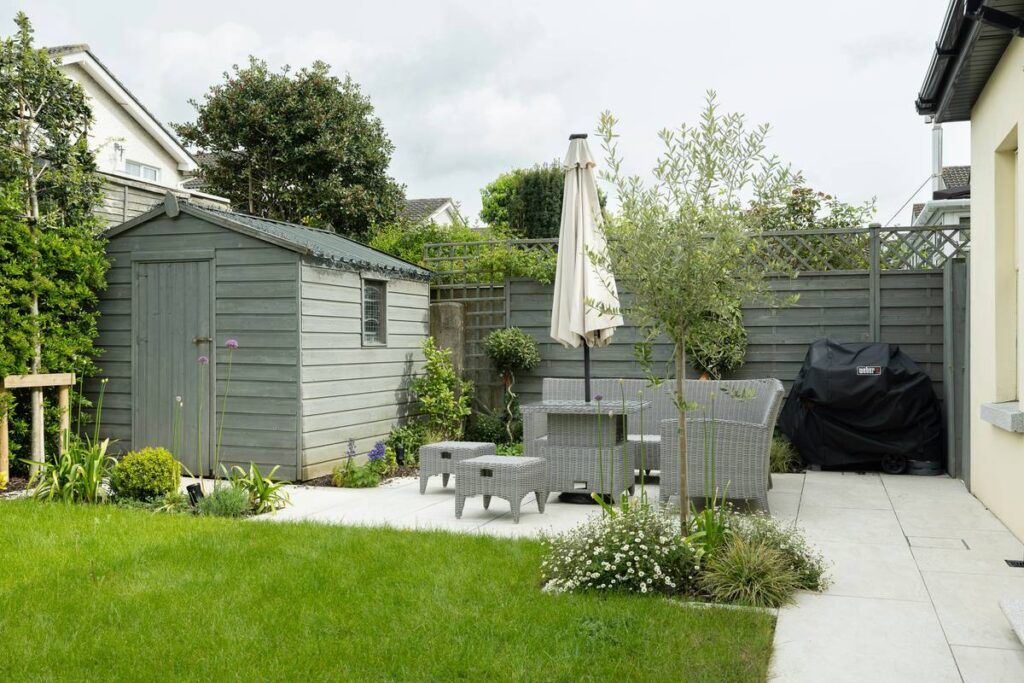
In a 2023 case study by landscape designers in the Pacific Northwest, homeowners who chose recycled composite tables reported 70% less maintenance over three years compared to traditional cedar. One client paired a gray composite table with built-in umbrella sleeves and LED edge lighting—boosting evening usability without increasing upkeep.
At Wading River Properties, we’ve seen clients transform cramped patios by using fold-down wall-mounted tables made of marine plywood. These maximize space while adhering to smart how to garden design principles. Learn more about our philosophy on thoughtful outdoor living spaces on our About Us page.
Frequently Asked Questions
What’s the most durable material for a garden table?
Teak and recycled plastic composites lead in longevity. Teak contains natural oils that repel water and insects, while composites resist fading, cracking, and rot entirely.
Can I leave my metal garden table outside year-round?
Only if it’s powder-coated or made of stainless steel. Regular steel will rust. Always check manufacturer specs—many “outdoor” metals are only rated for covered patios.
How does table material affect overall garden design?
Materials set tone. Rustic wood suits cottage gardens; sleek aluminum complements modern minimalism. Your how to garden design success hinges on cohesion between furniture and flora.
Should I match my table to my deck or patio?
Not necessarily. Contrasting tones (e.g., black metal on light stone) often create more visual interest than exact matches.
Where can I get personalized advice for my space?
We offer tailored consultations—reach out via our Contact Us page. And don’t worry: all inquiries follow strict data practices outlined in our Privacy Policy.
Is “how to garden design” different for small vs. large yards?
Absolutely. Small spaces demand multi-functional, proportionate pieces. Large yards benefit from zoning—e.g., a bistro set near herbs, a grand table near shade trees—each part of your unified how to garden design vision.
Remember: great outdoor spaces aren’t built in a weekend—they’re grown with intention. Choose wisely, place thoughtfully, and your garden table won’t just survive seasons—it’ll become the heart of them. Ready to bring your vision to life? Contact us today.