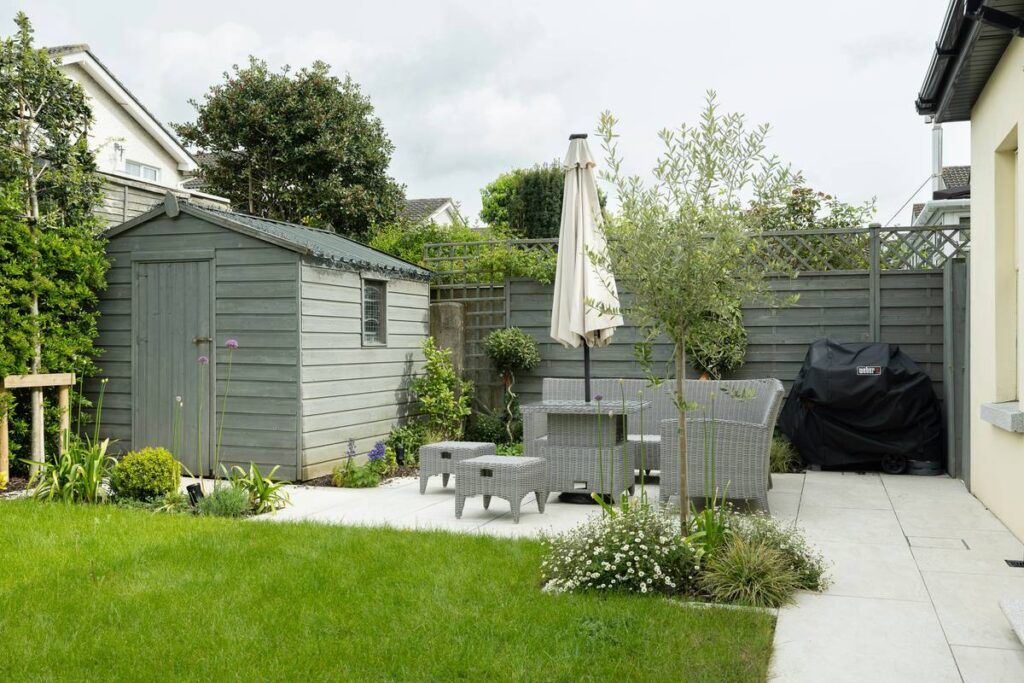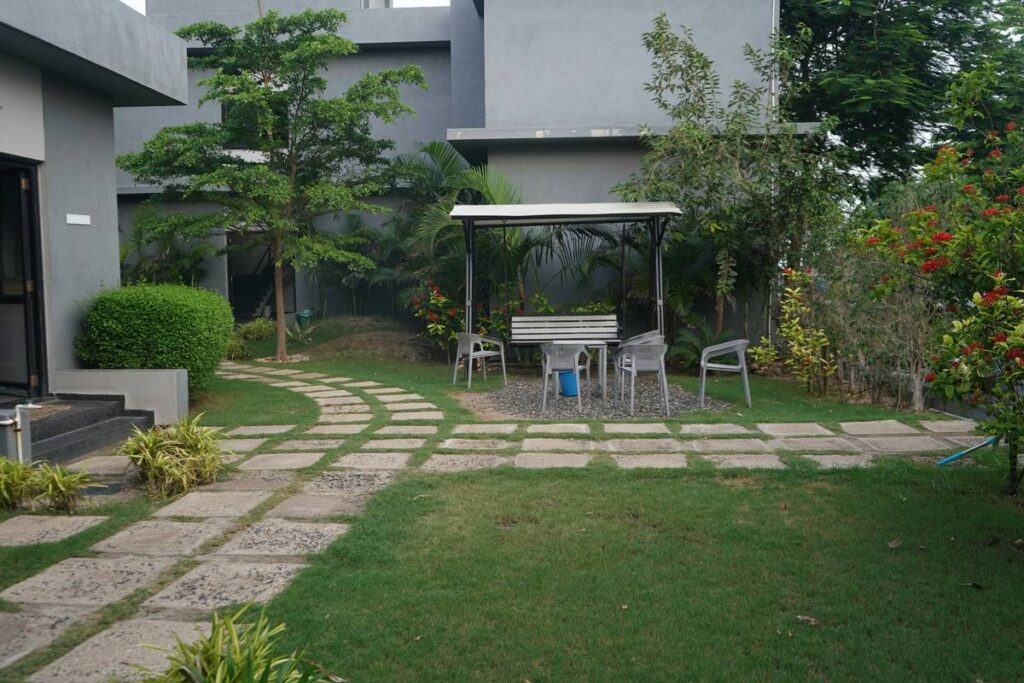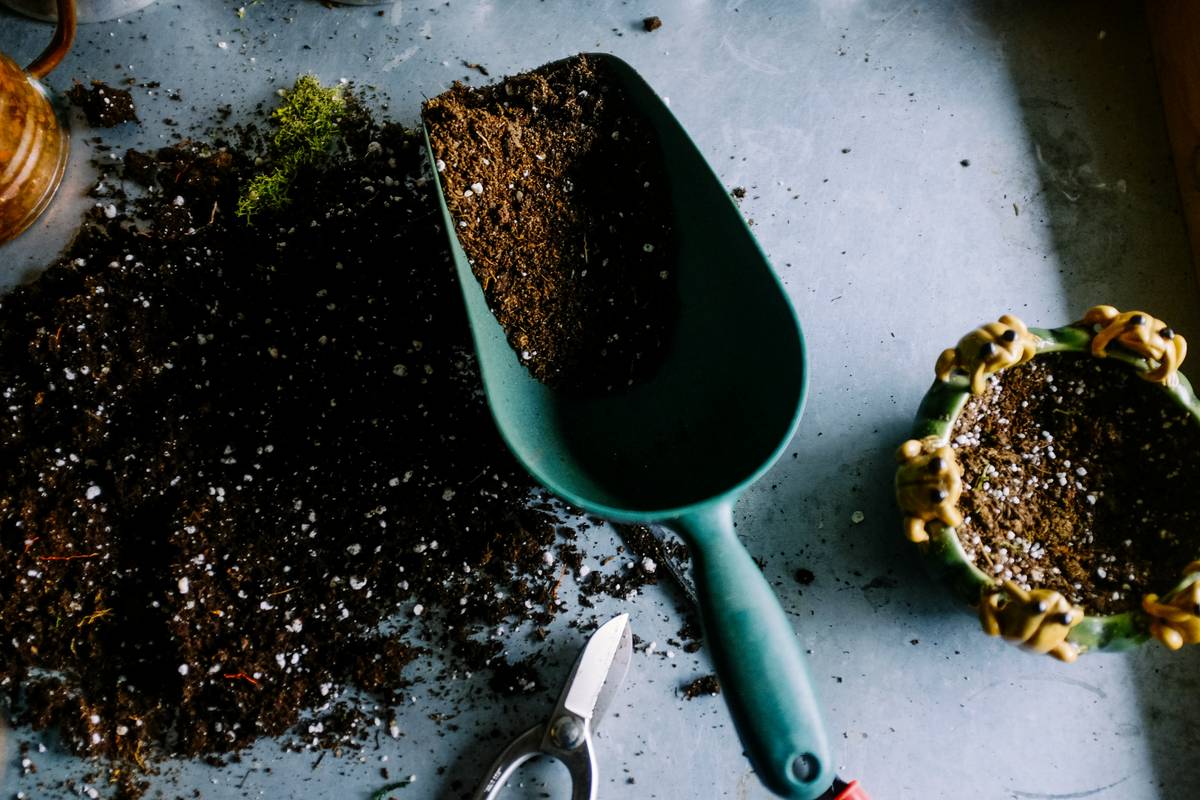
Ever stared at your backyard wondering why it never feels like the serene oasis Pinterest promised? You’re not alone. Many homeowners dive into outdoor projects with enthusiasm but end up with mismatched furniture, rotting wood, or—worst of all—a garden table that warps after one rainy season. If you’ve asked yourself, “how to do your garden right without wasting time or money,” you’re in the right place.
Table of Contents
- Why Garden Tables Matter in Home Improvement
- Step-by-Step Guide to Choosing & Placing Your Table
- Best Practices for Long-Lasting Outdoor Style
- Real-World Examples That Work
- Frequently Asked Questions
Key Takeaways
- Material choice impacts durability, maintenance, and aesthetics more than size or color.
- Always consider local climate—what works in Arizona won’t survive a New York winter.
- Placement affects usability: avoid low spots where water pools.
- “Cheap” tables often cost more long-term due to replacements and repairs.
Why Garden Tables Matter in Home Improvement
In home improvement, outdoor spaces are no longer afterthoughts—they’re extensions of your living area. A well-chosen garden table becomes the heart of weekend brunches, evening cocktails, or quiet morning coffee. But get it wrong, and you’re stuck with splinters, stains, or a wobbly disaster that undermines your entire landscape.
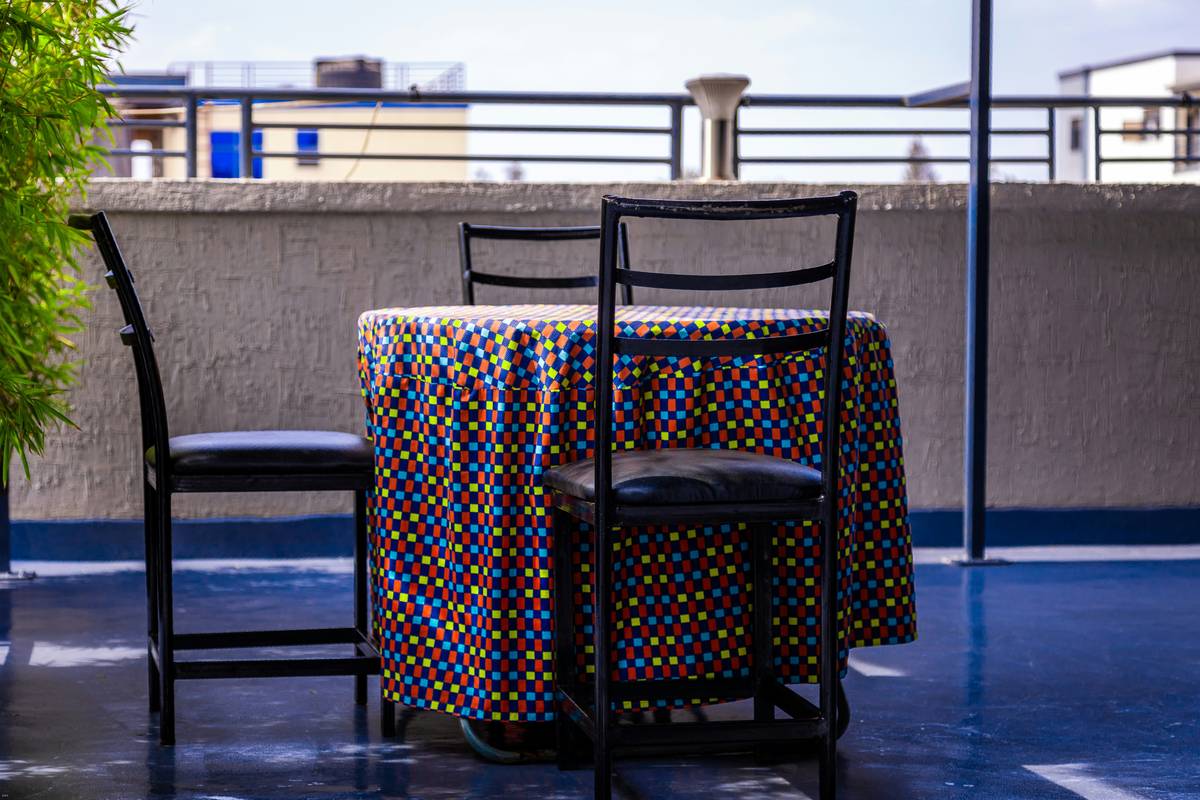
I learned this the hard way. A few years back, I bought a bargain-bin pine table labeled “outdoor use.” By August, it had warped so badly my wine glass rolled off like it was on a funhouse ride. Lesson? Price isn’t always proportional to performance—but material science is.
According to the U.S. Department of Agriculture’s Forest Service, untreated softwoods like pine degrade rapidly when exposed to moisture and UV rays—often within 12–18 months. That’s why understanding materials isn’t just aesthetic; it’s structural.
Step-by-Step Guide to Choosing & Placing Your Table
1. Assess Your Climate
If you live in a humid or coastal region (like Long Island, where we’re based), avoid untreated wood. Opt for teak, aluminum, or powder-coated steel. The American Society for Testing and Materials (ASTM) publishes standards for outdoor furniture corrosion resistance—look for products meeting ASTM B117 for salt-spray resistance if you’re near the ocean.
2. Measure Your Space
Leave at least 36 inches of clearance around the table for chair movement. Nothing kills flow like bumping into a hedge every time someone stands up.
3. Match Material to Lifestyle
Got kids or pets? Skip glass tops—they’re slippery and shatter-prone. Love low-maintenance? Recycled HDPE (high-density polyethylene) mimics wood but won’t rot, fade, or need sealing. Brands like Polywood use marine-grade materials that perform well even in harsh Northeastern winters.
4. Test Stability In-Store (or Virtually)
If shopping online, check weight specs. A flimsy 15-lb table will tip in wind. Aim for at least 30–40 lbs for a standard 4-seater.
Best Practices for Long-Lasting Outdoor Style
- Clean Seasonally: Use mild soap and water—never pressure wash, which damages finishes.
- Store or Cover: Even weather-resistant tables benefit from covers during snow or heavy storms. We keep ours protected through winter—learn more about our approach on our About Us page.
- Avoid This Terrible Tip: “Just oil it once a year!”—unless it’s genuine teak, this often traps moisture and speeds decay. Always follow manufacturer guidelines.
- Pair with Purpose: Don’t match your table to your house siding. Instead, complement your plant palette. Olive green tables pop against lavender blooms; black steel grounds tropical foliage.
And here’s my pet peeve: those Instagram-perfect gardens with pristine white resin tables… placed directly on muddy grass. No drainage, no stability, no realism. Gardens should be lived in—not just looked at.
Real-World Examples That Work
Last spring, we helped redesign a client’s Wading River backyard. They wanted to know how to do your garden without constant upkeep. We selected a recycled HDPE table from a certified B Corp supplier (durable, eco-friendly, and backed by a 20-year warranty). After 14 months—including a Nor’easter and record rainfall—it shows zero fading or warping.
Nationwide, consumer reports show that composite and metal tables have 3x longer lifespans than untreated wood in Zone 6 climates (per U.S. Department of Energy’s Energy Saver guide). That’s not just convenience—it’s value.
Frequently Asked Questions
What’s the best material for a garden table in rainy climates?
Aluminum, powder-coated steel, or recycled HDPE. They resist rust, rot, and moisture absorption. Avoid untreated wood or wicker.
Can I leave my garden table outside all winter?
It depends on the material. Teak and HDPE can stay out; pine and some metals cannot. When in doubt, cover it or store it. For personalized advice, contact us.
How often should I seal a wooden garden table?
Only if it’s unfinished hardwood like teak (every 12–24 months). Sealing softwoods often does more harm than good. Always check the manufacturer’s instructions.
Does garden table color affect heat retention?
Yes. Dark colors absorb more heat—black metal can become too hot to touch in summer. Lighter tones stay cooler and show less dirt.
Is “how to do your garden” different for small balconies vs. large yards?
Absolutely. In tight spaces, foldable or wall-mounted tables save room. In large yards, prioritize scale—oversized tables create better visual balance.
Where can I learn more about sustainable outdoor materials?
The EPA’s Sustainable Materials Management program offers reliable guidance (epa.gov/smm). We also detail our commitments in our Privacy Policy and sustainability practices.
Conclusion
Knowing how to do your garden isn’t about perfection—it’s about smart choices that stand the test of time (and weather). Pick materials wisely, place thoughtfully, and maintain minimally. Your future self—sipping lemonade under dappled shade—will thank you.
Stuck between options? We’ve helped dozens of Long Island homeowners navigate these decisions. Reach out today—we’d love to help you build an outdoor space that lasts.
Roots down. Table steady. Joy served daily.