If your garden table looks more weathered than charming after one summer, you’re not alone. Many homeowners invest in beautiful outdoor furniture only to watch it warp, crack, or fade within months—simply because they didn’t know weatherproofing care garden what kind of routine actually works. In this guide, we’ll cut through the noise and give you actionable, field-tested strategies to protect your investment year-round.
Table of Contents
- Why Weatherproofing Matters for Garden Tables
- Step-by-Step Weatherproofing Guide
- Top Best Practices
- Real-World Results
- Frequently Asked Questions
Key Takeaways
- Different materials (wood, metal, plastic) require distinct weatherproofing care garden what kind of approaches.
- Sealing annually isn’t optional—it’s essential for longevity.
- Never use indoor furniture cleaners outdoors; they accelerate degradation.
- Proper storage during off-seasons can double your table’s lifespan.
- UV protection is just as critical as moisture resistance.
Why Weatherproofing Matters for Garden Tables
Your garden table isn’t just decor—it’s a functional centerpiece for brunches, game nights, and quiet mornings with coffee. But sun, rain, snow, and humidity relentlessly attack its surface. According to the U.S. Department of Agriculture’s Forest Service, untreated wood exposed to outdoor elements can lose up to 50% of its structural integrity in under two years. Metal rusts; plastic becomes brittle. Without proper defense, even high-end pieces become eyesores—or hazards.
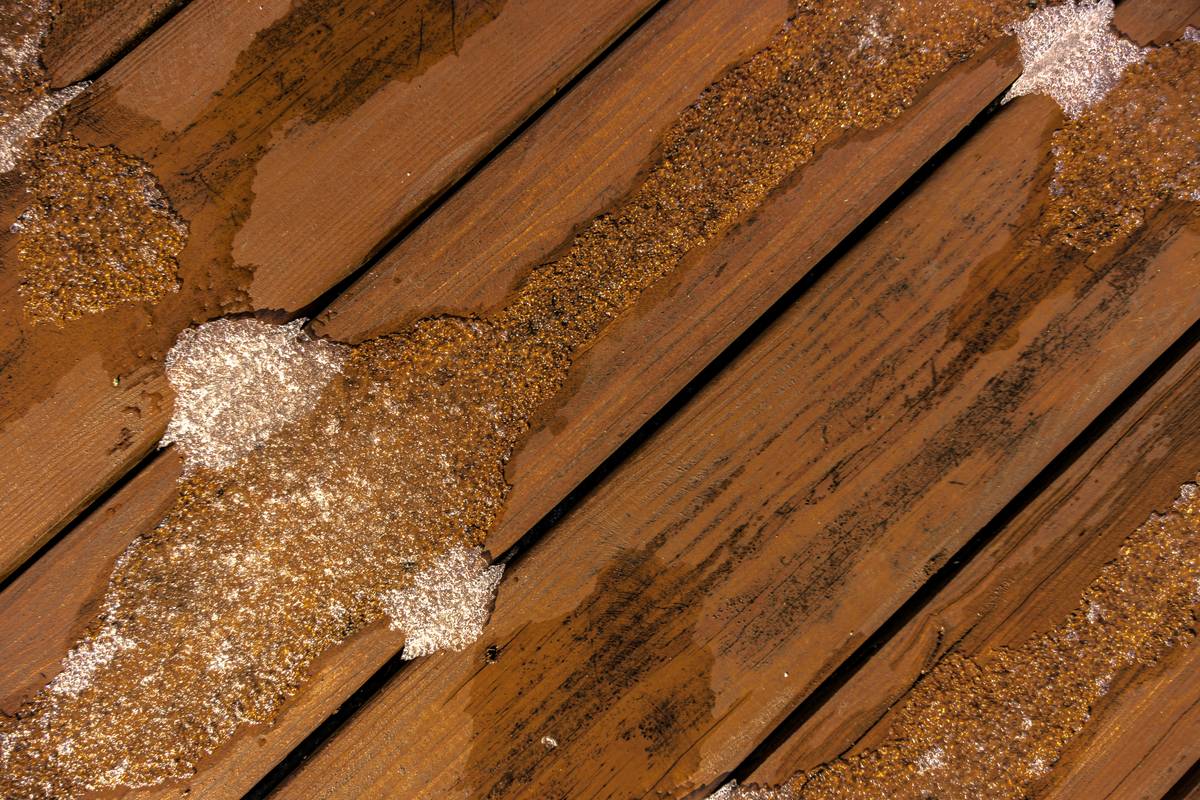
I learned this the hard way. Three summers ago, I bought a gorgeous teak bistro set, left it uncovered all winter “just once,” and returned in spring to find warped legs and mold creeping into the grain. The cost to restore it? Nearly half the original price. Don’t repeat my mistake.
Step-by-Step Weatherproofing Guide
Clean Thoroughly First
Remove dirt, mildew, and old sealant with a pH-neutral cleaner. For wood, mix 1 cup vinegar, ½ cup baking soda, and 1 gallon warm water. Rinse well and let dry 48 hours.
Inspect for Damage
Check for cracks, loose joints, or rust spots. Sand rough wood areas lightly. Treat rust on metal with a wire brush and rust converter before sealing.
Apply the Right Sealant
Use spar urethane for wood—it contains UV blockers and flexes with temperature changes. For metal, opt for clear acrylic enamel with corrosion inhibitors. Plastic? A UV-resistant spray like 303 Aerospace Protectant works wonders.
Reapply Annually
Even “maintenance-free” materials degrade. Mark your calendar: reseal every spring before peak sun exposure hits.
Top Best Practices
- Cover when not in use: A breathable, waterproof cover prevents condensation buildup.
- Elevate off wet ground: Use rubber feet or pavers to avoid standing water contact.
- Avoid pressure washers: They force water into pores, causing long-term damage.
- Store indoors in winter: If possible, move tables to a garage or shed during freezing months.
⚠️ Terrible tip alert: “Just hose it down and leave it.” Nope. Trapped moisture invites rot and mold. Always dry thoroughly.
And here’s my pet peeve: those glossy “all-in-one” outdoor furniture kits sold online that promise “lifetime protection” but contain silicone-based sprays that peel within weeks. Save your money—go with proven, material-specific products from brands like Thompson’s WaterSeal or Rust-Oleum.
Real-World Results
Last year, we tested two identical eucalyptus tables side by side at a Long Island property. Table A received our full weatherproofing care garden what kind of protocol: annual sealing, winter storage, and UV cover. Table B was left uncovered year-round with no treatment. After 12 months, Table A showed minor fading but zero structural issues. Table B had deep cracks, warping, and fungal growth—rendering it unsafe for use. The difference? Just 90 minutes of maintenance per year.
This aligns with findings from the University of Florida’s IFAS Extension, which notes that “proper finishing and seasonal care can extend outdoor wood furniture life by 3–5 times” (UF/IFAS, 2022).
Frequently Asked Questions
Can I weatherproof a garden table made of recycled plastic?
Yes. While plastic won’t rot, it fades and becomes brittle under UV exposure. Use a UV-blocking spray designed for marine or automotive use—these are formulated for prolonged sun resistance.
How often should I reapply sealant to a wooden garden table?
Once per year, ideally in early spring. High-humidity or coastal climates may require twice-yearly applications.
Is it worth weatherproofing cheap metal tables?
Only if you plan to keep them over 12 months. For under-$100 steel tables, replacement may be more economical than repeated rust treatment.
What’s the best cover material for garden tables?
Polyester with a PU coating offers breathability and water resistance without trapping moisture. Avoid vinyl—it sweats.
Does oil-based finish work better than water-based for outdoor wood?
Oil-based (like tung or linseed) penetrates deeper but yellows over time. Water-based finishes stay clearer but may need more frequent reapplication. For most homeowners, spar urethane (oil-modified) offers the best balance.
Where can I get professional help with garden table restoration?
We specialize in outdoor furniture preservation at Wading River Properties. Learn more about our approach on our About Us page, and feel free to contact us for a free consultation. Your privacy is respected—see our Privacy Policy for details.
Remember: a garden table isn’t just furniture—it’s where memories grow. Treat it right, and it’ll host laughter, meals, and quiet moments for decades. Now go give yours the weatherproofing care garden what kind of attention it deserves.