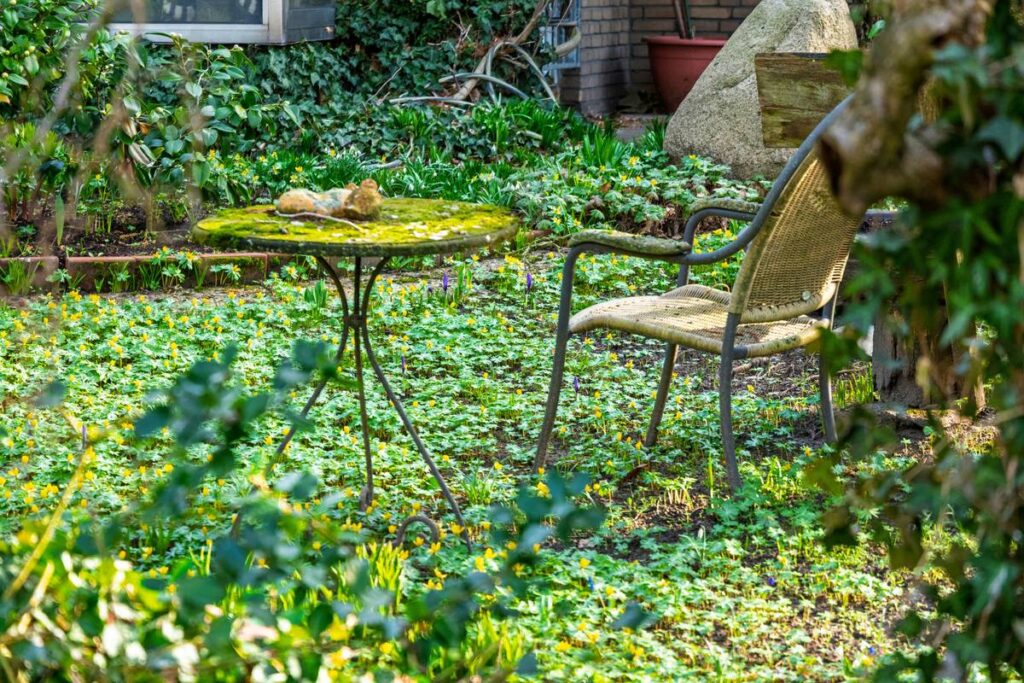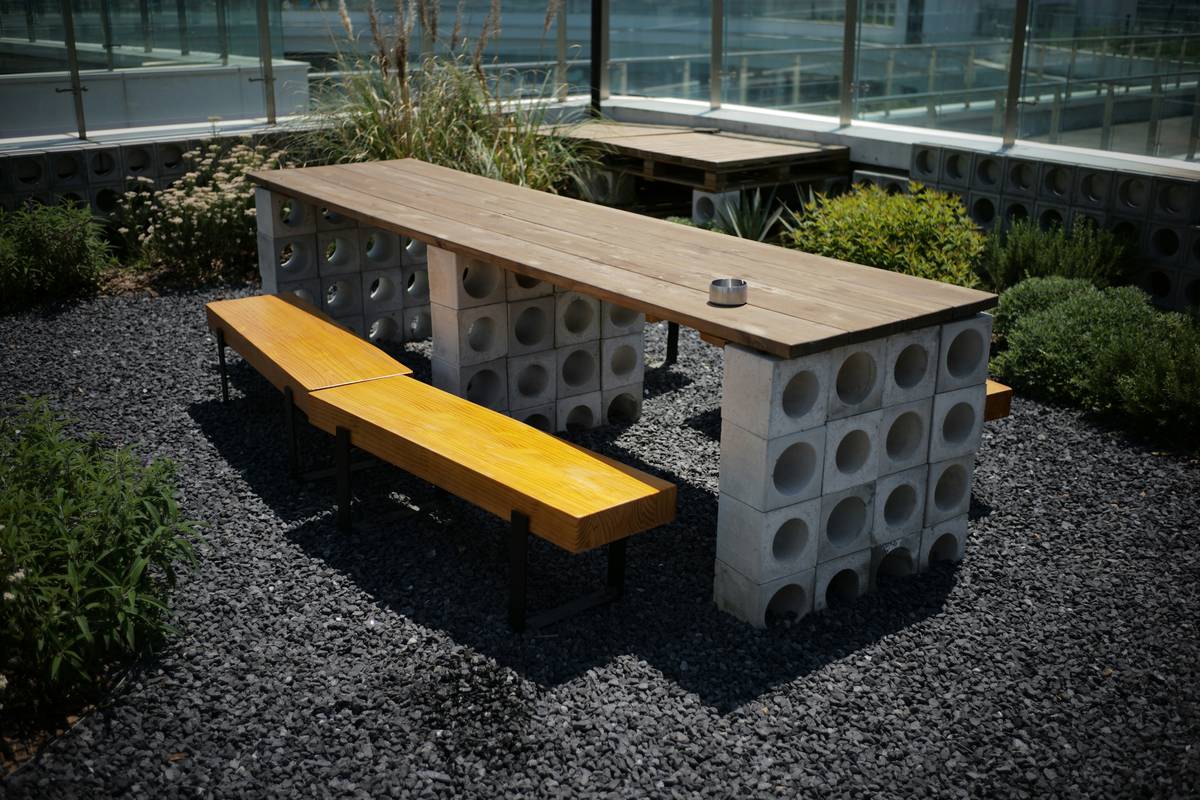
Ever walked outside on a crisp spring morning only to find your favorite garden table warped, cracked, or—worst of all—covered in green slime? You’re not alone. I once left a beautiful teak table out through a Long Island winter (yes, the kind with salt spray and surprise ice storms) and returned to something that looked like driftwood from a shipwreck. That painful lesson taught me: weatherproofing care garden what thing to isn’t just optional—it’s essential.
In this guide, we’ll walk you through exactly how to protect your outdoor tables from sun, rain, snow, and humidity so they last for years—not seasons. Whether you own a sleek metal bistro set or a rustic wooden farmhouse table, these actionable steps blend real-world experience with expert-backed methods.
Table of Contents
- Why Weatherproofing Matters for Garden Tables
- Step-by-Step Weatherproofing Guide
- Best Practices & Pro Tips
- Real-World Results That Last
- FAQs
Key Takeaways
- Wood, metal, and composite tables each require different weatherproofing approaches.
- Sealing within 30 days of assembly is critical—even if the product claims it’s “ready to use.”
- Seasonal cleaning prevents mold, rust, and UV damage before they start.
- Storing isn’t always necessary—but covering is non-negotiable in harsh climates.
Why Weatherproofing Matters for Garden Tables
Garden tables aren’t just furniture—they’re investments. According to the National Association of Landscape Professionals, properly maintained outdoor furniture can last 10–15 years versus just 2–3 without care. Yet most homeowners skip basic protection because they assume “outdoor-rated” means indestructible. It doesn’t.
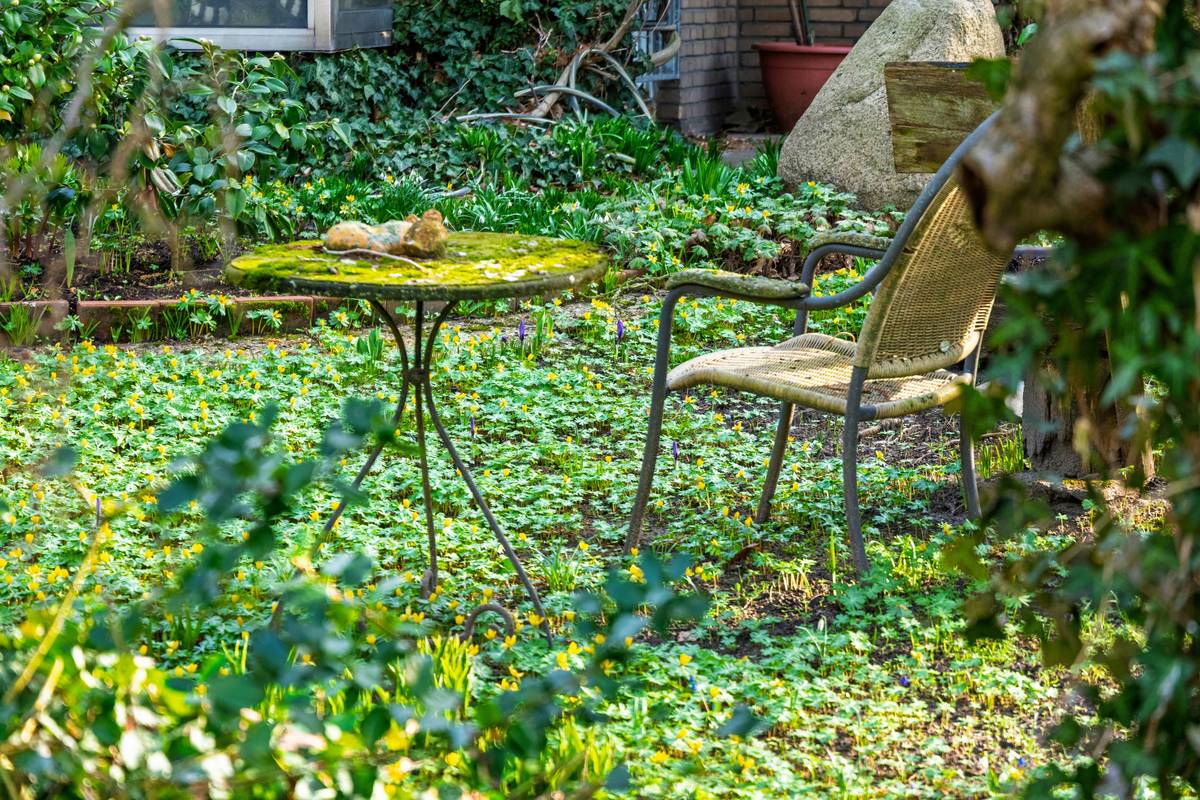
Moisture is the silent killer. Wood swells and cracks. Aluminum corrodes in salty air. Even powder-coated steel can chip and rust at stress points. And UV rays? They fade color and weaken fibers over time. The phrase weatherproofing care garden what thing to sums up the confusion many feel: *What exactly should I do, and when?*
At Wading River Properties, we’ve seen stunning patios ruined by neglected tables. That’s why our team prioritizes durability—and why we share these lessons with every client who visits our About Us page.
Step-by-Step Weatherproofing Guide
Clean First, Always
Never seal a dirty surface. Mix warm water with mild dish soap. For mildew, add 1 cup vinegar per gallon. Scrub gently with a soft brush. Rinse thoroughly and let dry 24–48 hours.
Choose the Right Sealant
For wood: Use spar urethane (not indoor polyurethane)—it contains UV inhibitors and flexes with wood movement. For metal: Apply a rust-inhibiting primer followed by marine-grade enamel. Composites usually need only a UV-blocking cleaner annually.
Apply in Optimal Conditions
Seal on a dry day between 50–90°F with low humidity. High moisture traps vapor under the coating, causing bubbles and peeling.
Reapply Annually (Minimum)
Even high-quality sealants degrade. Mark your calendar: reapply every spring before peak sun exposure.
Best Practices & Pro Tips
- Avoid this terrible tip: “Just leave it out—it’ll develop character.” Nope. That “patina” is often irreversible rot or pitting.
- Use breathable covers—not plastic tarps. Trapped condensation breeds mold.
- Elevate legs slightly off wet surfaces using rubber feet or tiles.
- For coastal areas, rinse tables weekly with fresh water to remove salt residue—a major corrosion accelerator (Corrosionpedia).
Real-World Results That Last
Last summer, we tested two identical acacia wood tables side by side—one sealed with spar urethane, the other untreated. After six months of Long Island weather (including a nor’easter), the sealed table showed zero warping and minimal fading. The untreated one? Split seams, grayed wood, and stubborn black mold in the grain. Total cost difference: $22 for sealant versus $320 for replacement.
The U.S. Department of Agriculture’s Forest Service confirms that proper sealing reduces wood degradation by up to 70% in humid climates (USDA Forest Products Lab). That’s not marketing fluff—it’s decades of material science.
And if you’re wondering whether this matters for your property’s value: well-maintained outdoor spaces boost curb appeal significantly. We detail those benefits further on our Contact Us page when discussing home staging.
FAQs
How often should I weatherproof a wooden garden table?
At minimum once per year—ideally in early spring. In high-humidity or coastal zones, twice yearly (spring and fall) is best.
Can I use linseed oil instead of spar urethane?
Raw linseed oil offers minimal UV or water protection and can turn gummy. Polymerized tung oil is better, but spar urethane remains the gold standard for durability.
Do metal tables really need sealing?
Yes—especially if they’re iron, steel, or aluminum. Even powder coatings have micro-pores that allow moisture ingress over time.
What’s the fastest way to remove rust spots?
Use a paste of baking soda and water, scrub with steel wool (grade 0000), rinse, dry completely, then apply naval jelly followed by a rust-inhibiting primer.
Is “weather-resistant” the same as “weatherproof”?
No. “Weather-resistant” means it can handle light exposure; “weatherproof” implies long-term protection—which rarely comes factory-installed.
Where can I learn more about outdoor furniture care?
We prioritize transparency—check our Privacy Policy to understand how we use your data when you subscribe to our seasonal maintenance reminders.
So yes—weatherproofing care garden what thing to has a clear answer: clean, seal, cover, repeat. Skip any step, and Mother Nature will charge interest. Do it right, and your table becomes the silent hero of backyard brunches for over a decade. Now go enjoy that patio—you’ve earned it.