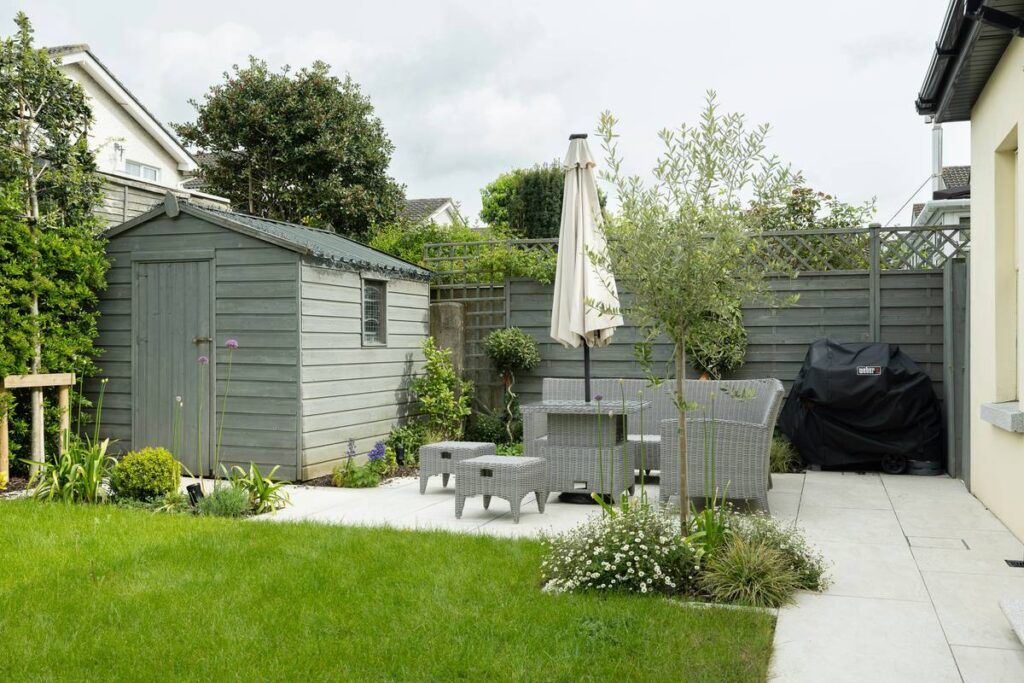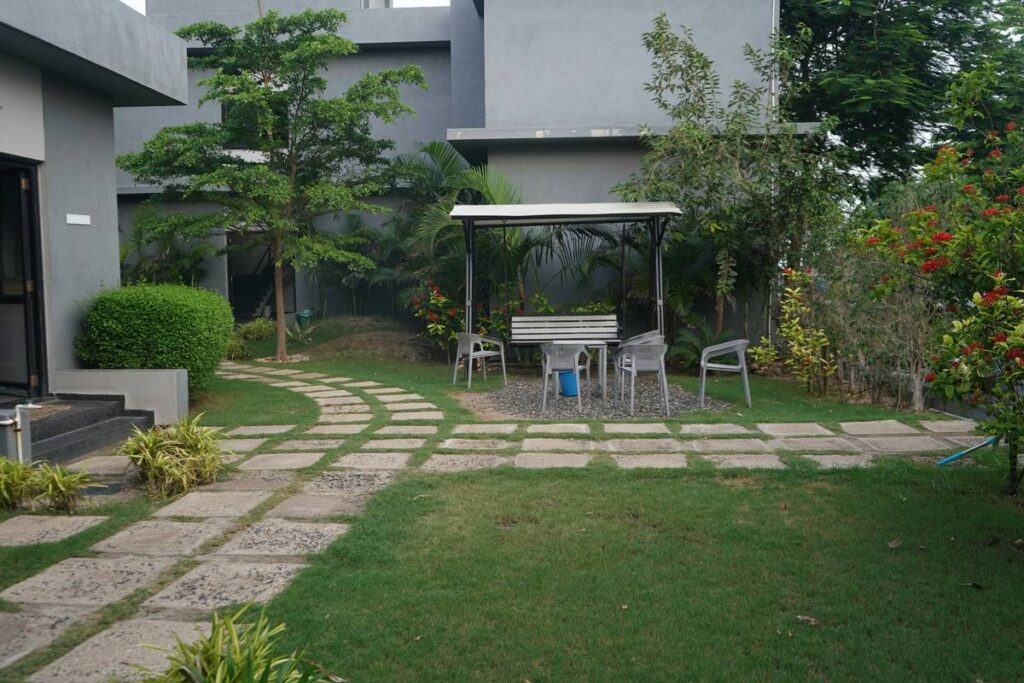
Ever hauled a beautiful wooden garden table onto your patio only to watch it warp, crack, or stain within a single season? You’re not alone. Many homeowners invest in outdoor furniture without considering how material choice impacts longevity, maintenance, and aesthetics. In the world of home improvement—especially within gardening and outdoor decor—the right table isn’t just functional; it’s foundational to your entire outdoor experience. In this guide, we’ll cut through the noise with actionable garden tips and ideas focused squarely on choosing, maintaining, and styling garden tables that last. Whether you’re working with teak, metal, concrete, or recycled plastic, you’ll learn what truly matters—and what’s just marketing fluff.
Table of Contents
- Why Garden Table Material Makes or Breaks Your Space
- Step-by-Step Guide to Choosing the Right Garden Table
- Top 5 Best Practices for Long-Lasting Garden Tables
- Real Results: What Happens When You Get It Right (and Wrong)
- Frequently Asked Questions
Key Takeaways
- Material dictates not just look but weather resistance, maintenance needs, and lifespan.
- Avoid pressure-treated pine for dining—it leaches chemicals and warps easily.
- Always seal natural wood annually; skip this, and you’ll regret it by August.
- Metal tables need rust protection, especially in humid or coastal areas.
- Your garden tips and ideas should start with function, then flow into style.
Why Garden Table Material Makes or Breaks Your Space
I once bought a gorgeous reclaimed-pine garden table from a local artisan—rustic charm, perfect size, under $300. By mid-July, after two rainstorms and a heatwave, the legs had twisted, the surface cupped upward, and wine glasses wouldn’t stay put. Lesson learned: romantic aesthetics don’t trump material science.
The truth? Not all “outdoor” tables are created equal. According to the U.S. Forest Service, untreated softwoods like pine absorb moisture rapidly, leading to expansion, contraction, and irreversible damage. Meanwhile, hardwoods like teak or eucalyptus contain natural oils that repel water and resist insects—making them far better long-term investments. Even synthetics vary wildly: some recycled plastics fade or become brittle after UV exposure, while others (like HDPE) hold up for over a decade with zero upkeep.
Step-by-Step Guide to Choosing the Right Garden Table
Assess Your Climate First
If you live near the coast or in a high-humidity zone (like the Southeast U.S.), avoid bare steel or iron—they’ll rust fast. Opt for powder-coated aluminum or marine-grade teak. For arid regions, focus on UV resistance; check if plastic or composite materials carry a UV-stabilized warranty.
Match Use Case to Material
Dining frequently? Choose smooth, non-porous surfaces like ceramic-topped metal or sealed hardwood—easy to wipe clean. Using it mostly for display or occasional drinks? Concrete or corten steel adds sculptural drama with less concern for spills.
Consider Maintenance Realities
Be honest: will you really reseal that oak table every spring? If not, pick low-maintenance options like recycled HDPE (used in commercial park benches) or powder-coated aluminum. The University of Florida’s IFAS Extension notes that proper material selection reduces long-term upkeep by up to 60%.
Top 5 Best Practices for Long-Lasting Garden Tables
- Seal natural wood yearly—use penetrating oil, not film-forming varnish (it peels).
- Store or cover in winter—even “weatherproof” tables degrade faster with year-round exposure.
- Avoid placing directly on grass—moisture wicks up, causing rot or rust underneath.
- Clean with pH-neutral soap—harsh chemicals strip protective coatings.
- Use furniture pads—prevents scratches and reduces moisture contact with the ground.
And here’s a terrible tip I’ve heard too often: “Just leave it out—it’ll develop character.” No. Warped, moldy, or corroded furniture isn’t “character”; it’s neglect. Don’t fall for that.
Real Results: What Happens When You Get It Right (and Wrong)
A client in Connecticut replaced her warped pine table with a sustainably sourced eucalyptus model (FSC-certified). After three years—with annual oiling—it still looks showroom-fresh, even surviving Nor’easters. Contrast that with a neighbor who chose an uncoated iron bistro set: within 18 months, rust stains ruined their stone patio, requiring costly resurfacing.
Data backs this up. Consumer Reports’ 2023 outdoor furniture durability test found that properly maintained hardwood and HDPE tables lasted 8–12 years on average, while untreated softwood or thin-gauge metal failed in under 3. That’s why smart garden tips and ideas always begin with material intelligence—not Pinterest trends.
At Wading River Properties, we’ve seen firsthand how thoughtful outdoor design elevates home value and daily joy. Learn more about our philosophy on sustainable living spaces through our About Us page.
Frequently Asked Questions
What’s the most durable material for a garden table?
Teak, marine-grade stainless steel, and high-density polyethylene (HDPE) are top performers. Teak resists rot and insects naturally; HDPE won’t fade, crack, or absorb moisture.
Can I leave my wooden garden table outside all year?
Only if it’s properly sealed and made from a durable hardwood. Even then, covering it in winter extends its life significantly. Never leave untreated wood exposed year-round.
How do I clean a metal garden table without scratching it?
Use a soft cloth with warm water and mild dish soap. For rust spots, gently scrub with a paste of baking soda and water—never steel wool.
Are composite garden tables eco-friendly?
Many are made from recycled plastics and wood fibers, reducing landfill waste. Look for brands certified by organizations like the Sustainable Furnishings Council.
Where can I get personalized advice for my outdoor space?
We’d love to help! Reach out via our Contact Us page for tailored garden tips and ideas. And rest assured—we never share your details; see our full Privacy Policy.
Do garden tables increase home value?
Well-chosen, high-quality outdoor furniture can boost curb appeal and perceived property value—especially when part of a cohesive landscape design.
Remember: your garden table isn’t just furniture. It’s where morning coffee happens, where kids draw with chalk, where friends clink glasses at sunset. Choose wisely, maintain consistently, and let your space tell a story worth staying for.
Got specific questions about materials, layout, or seasonal care? Contact us—we’re happy to share more garden tips and ideas tailored to your slice of earth.