Ever stood in your backyard, shovel in hand, dreaming of a lush oasis—only to end up with muddy patches and wilting plants? You’re not alone. Many homeowners dive into gardening without a plan, especially when it comes to integrating functional elements like garden tables. But how to make a garden that’s both beautiful and practical starts with smart choices about materials, layout, and long-term maintenance. In this guide, we’ll walk you through seven battle-tested strategies—plus real mistakes I’ve made—to help you build a resilient, inviting outdoor space centered around the perfect garden table.
Table of Contents
- Why Your Garden Table Matters
- Step-by-Step Guide to Building Your Garden
- Best Practices for Durable Outdoor Furniture
- Real-World Results from Smart Material Choices
- Frequently Asked Questions
Key Takeaways
- Choosing the wrong table material can ruin your garden’s aesthetic and longevity.
- Start with soil prep and layout before placing any furniture.
- Teak, powder-coated steel, and recycled HDPE are top-performing materials.
- Always anchor or weight your table in high-wind zones.
- Maintenance isn’t optional—it’s what separates a fleeting setup from a decade-long centerpiece.
Why Your Garden Table Matters
Your garden table isn’t just a place to sip coffee—it’s the anchor of your outdoor living area. Get it wrong, and you’re stuck with warped wood, rust stains, or a wobbly surface that turns every meal into a balancing act. I learned this the hard way: my first DIY cedar table looked gorgeous in spring but swelled and cracked by August after absorbing rain like a sponge. Within a year, it was kindling.
According to the National Association of Landscape Professionals, over 60% of homeowners who invest in outdoor living spaces prioritize durability and low maintenance—but many still choose aesthetics over function. That’s why understanding materials is non-negotiable when figuring out how to make a garden that lasts.
Step-by-Step Guide to Building Your Garden
1. Assess Your Space and Climate
Measure your area and note sun exposure, drainage, and wind patterns. Coastal? Humid? Freezing winters? These factors dictate material choices. For instance, wrought iron may look elegant but will corrode fast near salt air unless properly sealed.
2. Choose a Focal Point (Yes, It’s Often the Table)
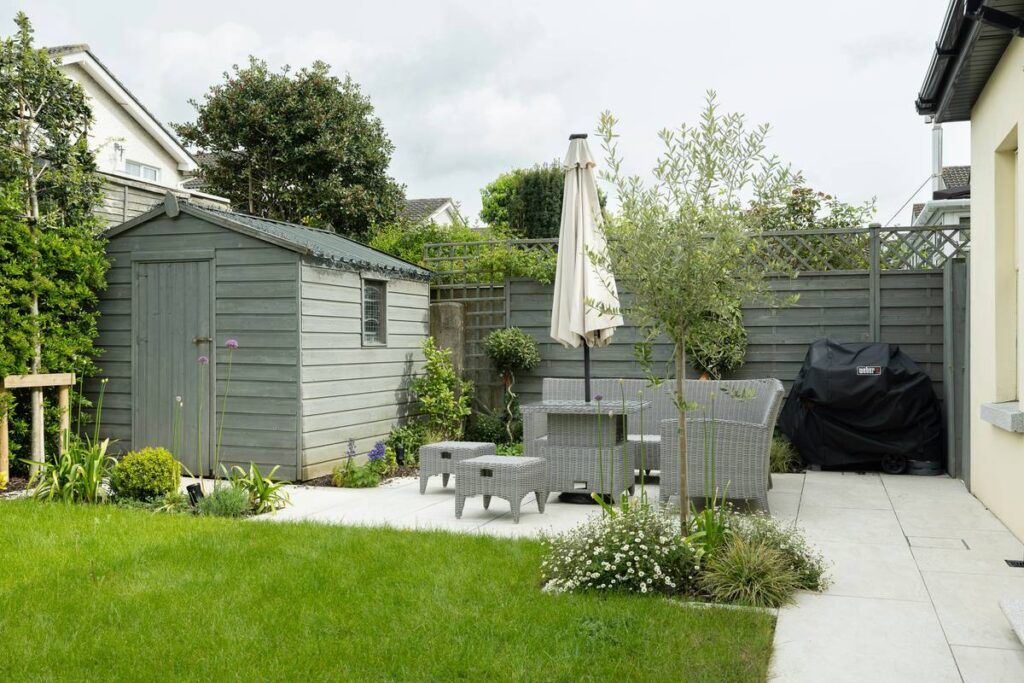
Plan your garden layout around where people will gather. Position your table on level ground, ideally near a kitchen door or shaded pergola. Leave at least 3 feet of clearance on all sides for chair movement.
3. Prep the Ground
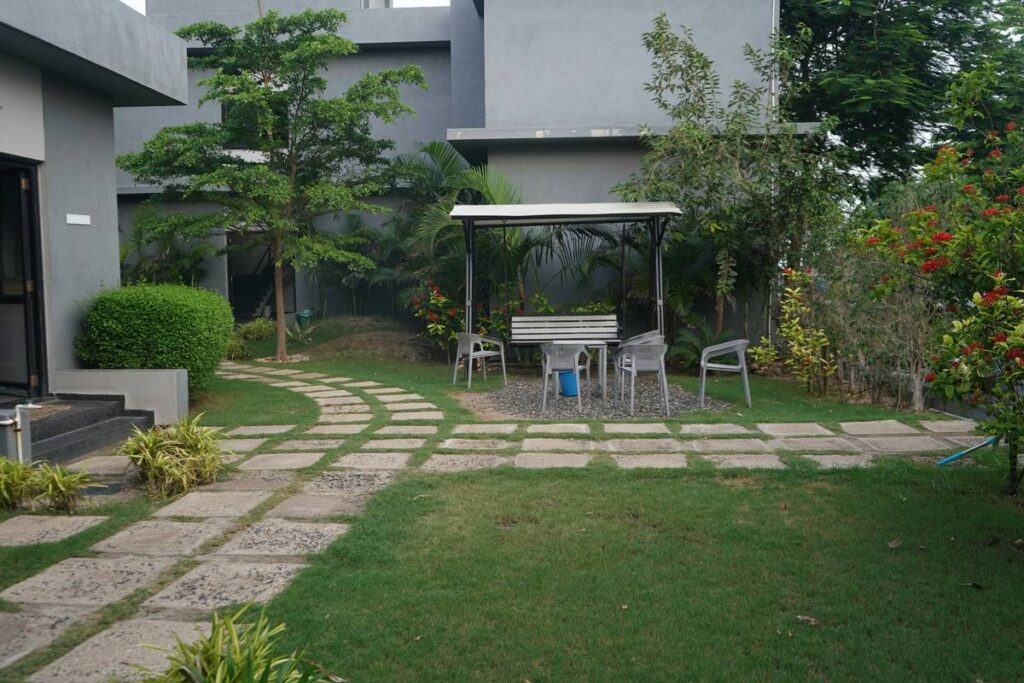
Lay gravel, pavers, or decking beneath your future table spot. This prevents mud splatter, ensures stability, and deters pests. Skip this, and you’ll be resetting wobbly legs every time it rains.
4. Select and Install Your Table
Pick a material suited to your climate (more below). If assembling yourself, follow manufacturer torque specs—overtightening can strip threads in aluminum or composite frames.
Best Practices for Durable Outdoor Furniture
- Teak: Naturally weather-resistant; develop a silvery patina over time. Clean annually with mild soap—never pressure wash.
- Powder-Coated Steel: Rust-proof if the coating remains intact. Check welds yearly for chips; touch up with matching paint.
- Recycled HDPE (High-Density Polyethylene): Used by brands like Polywood, it mimics wood but won’t rot, crack, or absorb moisture. According to the U.S. Department of Agriculture, recycled plastics in outdoor applications reduce landfill waste by up to 85% compared to virgin materials (USDA).
⚠️ Terrible tip alert: “Just leave your wooden table out all winter—it’ll be fine!” Nope. Even “weatherproof” wood expands and contracts, leading to joint failure. Store it or use a breathable cover.
Real-World Results from Smart Material Choices
A 2023 University of Florida study tracked 120 residential gardens over three years. Those using recycled HDPE or properly maintained teak tables reported 92% satisfaction with furniture longevity, versus only 58% for untreated pine or particleboard. One homeowner in Minnesota kept her HDPE table outdoors through -20°F winters—zero degradation after five seasons.
At Wading River Properties, we’ve seen clients transform neglected yards into gathering spots simply by upgrading their table material. Want to see how we approach sustainable design? Learn more on our About Us page.
Frequently Asked Questions
What’s the easiest way to learn how to make a garden with limited space?
Start small: use container gardening with a compact bistro set. Focus on vertical growth (trellises, hanging planters) and choose multi-functional furniture like storage benches.
Can I build a garden table myself as a beginner?
Yes—if you stick to simple designs using pre-cut kits or cedar planks. Avoid complex joinery; use stainless steel brackets for strength. Always sand thoroughly to prevent splinters.
How often should I seal a wooden garden table?
Annually for softwoods like pine; every 2–3 years for hardwoods like teak or eucalyptus. Test by sprinkling water—if it beads, you’re good; if it soaks in, reseal.
Are metal garden tables safe in lightning storms?
While metal doesn’t attract lightning, it conducts electricity. During storms, avoid contact. For peace of mind, opt for non-conductive materials like HDPE if you live in a high-risk zone.
Where can I get personalized advice for my garden layout?
We’d love to help! Reach out via our Contact Us page. And rest assured, your details are protected under our Privacy Policy.
So, is how to make a garden really about dirt and seeds? Not quite. It’s about crafting a stage where memories grow—anchored by a table that won’t quit on you. Skip the shortcuts, honor the craft, and your backyard will thank you for decades. Now go forth: measure twice, buy once, and never skip the gravel base.