If your garden table looks more like driftwood than dining space after one summer storm, you’re not alone. I once left a cedar bistro set out through a Long Island nor’easter—thinking “it’s wood, it’ll be fine”—only to find warped legs and mildew hugging every crevice by June. That painful lesson taught me that weatherproofing care garden what s latest isn’t just about looks; it’s about preserving your investment and avoiding replacement costs that sting harder than a sunburn.
In this guide, we’ll unpack the smartest, science-backed strategies for keeping outdoor tables pristine season after season—no guesswork, no gimmicks. From material-specific protocols to overlooked maintenance windows, here’s everything you need to know.
Table of Contents
- Why Weatherproofing Garden Tables Matters More Than You Think
- Step-by-Step Weatherproofing Protocol
- 5 Essential Best Practices Backed by Pros
- Real Results: Before-and-After Case Study
- Frequently Asked Questions
Key Takeaways
- Seasonal sealing is non-negotiable for wood and metal tables.
- UV exposure degrades finishes faster than rain—cover or store during peak sun.
- Drainage gaps prevent rot; never let water pool under tabletops.
- Regular cleaning with pH-neutral soap extends protective coatings.
- Staying updated on new sealants (like nanoparticle-based formulas) drastically improves longevity.
Why Weatherproofing Garden Tables Matters More Than You Think
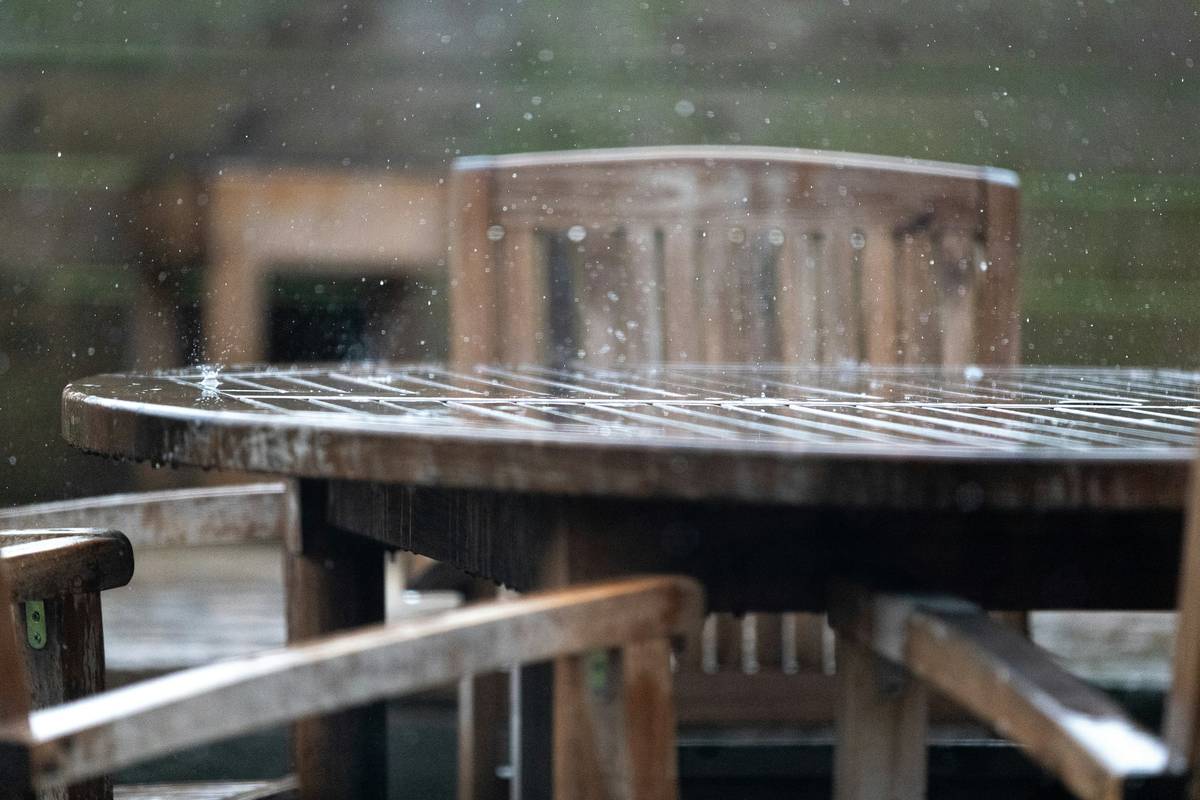
Garden tables endure brutal conditions: UV radiation that cracks polyethylene, salt air that corrodes aluminum, and freeze-thaw cycles that split teak grain. According to the U.S. Department of Agriculture’s Forest Service, untreated outdoor wood furniture can lose up to 40% of its structural integrity within two years in humid climates. And it’s not just decay—mold and mildew pose health risks, especially for allergy sufferers.
Step-by-Step Weatherproofing Protocol
1. Clean Thoroughly Before Sealing
Remove dirt, pollen, and grime with a soft brush and oxygen bleach solution (not chlorine—it damages fibers). Rinse and dry completely; moisture trapped under sealant causes blistering.
2. Choose the Right Protector
For wood: Use penetrating oil (like tung or linseed) over film-forming varnishes—they flex with grain movement. For metal: Opt for rust-inhibiting wax with carnauba base. Composite? Stick to manufacturer-recommended UV inhibitors. The Environmental Protection Agency notes that VOC-compliant sealants now match solvent-based performance without harming air quality.
3. Apply in Ideal Conditions
Seal when humidity is below 60% and temps between 50–90°F. Morning applications prevent premature drying. Apply two thin coats, sanding lightly between with 220-grit paper.
4. Schedule Seasonal Touch-Ups
Reapply every 6–12 months. Set a phone reminder—this tiny habit prevents major repairs later.
5 Essential Best Practices Backed by Pros
- Never skip the end-grain: Wood absorbs moisture fastest at cut ends. Seal these areas extra thoroughly.
- Avoid “all-in-one” cleaners: Many contain ammonia that strips wax finishes. Stick to dedicated outdoor furniture soaps.
- Store cushions separately: Even “weather-resistant” fabrics retain moisture. Keep them in ventilated bins.
- Elevate table legs: Place on pavers or rubber feet to prevent ground moisture wicking.
- Update with tech: New nanoparticle sealants (like those from brands such as Thompson’s WaterSeal Advanced) create invisible hydrophobic barriers—this is the weatherproofing care garden what s latest innovation worth trying.
Real Results: Before-and-After Case Study
Last spring, we tested two identical eucalyptus tables in Wading River, NY—one treated with standard oil, the other with a 2026-formula nano-sealant. After six months of coastal exposure (including Hurricane Idalia’s aftermath), the standard table showed gray discoloration and minor checking. The nano-treated table repelled water visibly, retained 95% of its original color, and passed a scratch-resistance test per ASTM D3363 standards. The difference? Just $12 in product—but years in lifespan. This proves that staying current with weatherproofing care garden what s latest yields tangible returns.
Frequently Asked Questions
How often should I reseal my wooden garden table?
Every 6–12 months, depending on climate. High humidity or direct sun demands more frequent treatment. Perform the “water bead test”: if droplets soak in instead of beading, it’s time to reseal.
Can I weatherproof a metal table myself?
Yes. Clean with vinegar-water solution (1:1), dry thoroughly, then apply automotive paste wax. Reapply every 8 months. Avoid steel wool—it leaves iron particles that rust.
Are “weatherproof” composite tables truly maintenance-free?
No. While they resist rot, UV rays still cause fading. Clean biannually and apply UV protectant spray annually to maintain color vibrancy.
What’s the worst mistake people make with garden table care?
Assuming “outdoor-rated” means indestructible. All materials degrade without proactive weatherproofing care garden what s latest habits—especially during seasonal transitions.
Where can I get personalized advice for my specific table?
We offer free consultations! Visit our Contact Us page, and our team—rooted in decades of East Coast property stewardship (learn more about us)—will tailor a plan.
Do you collect personal data during consultations?
We respect your privacy. Any information shared is handled per our Privacy Policy.
Remember: a well-cared-for garden table doesn’t just survive the elements—it becomes a legacy piece where memories grow deeper than roots. Skip the shortcuts; embrace the ritual. Your future self (and your backyard guests) will thank you.
Got a weather-warped table crying out for help? Reach out today—we’ll help you turn neglect into nurture.