You love your backyard—but that wobbly, rain-stained table keeps killing the vibe. You’ve pinned dozens of “garden gardening ideas,” yet nothing feels cohesive, durable, or worth the investment. Most tables crack, warp, or vanish under UV glare within a year. The fix isn’t more decor—it’s smarter material choices from day one.
Why 83% of Garden Tables Fail Within Two Seasons
Most homeowners pick tables based on looks alone. Big mistake. That reclaimed-wood farmhouse style? Gorgeous—until monsoon hits. Powder-coated metal? Sleek—until rust creeps up the legs in coastal air. The truth: aesthetics without material intelligence guarantees replacement cycles and wasted budget.
And durability isn’t just about weather. Think foot traffic, pet claws, kid spills, and seasonal storage stress. A table that can’t handle daily life becomes clutter—not charm.
Choosing the Right Garden Table Material: A No-BS Step-by-Step Guide
Forget trends. Build around your climate, usage, and maintenance tolerance. Here’s how:
Step 1: Audit Your Microclimate
Coastal humidity? Desert heat? Midwest freeze-thaw cycles? Match material to environment. Teak thrives near saltwater. Aluminum laughs at Arizona sun. Concrete? Only if you’ve got dry winters.
Step 2: Define Real-World Use
Daily breakfasts for two? Weekly BBQs for ten? Occasional wine nights? High-traffic zones demand scratch-resistant surfaces. Low-use corners can afford delicate finishes like mosaic tile.
Step 3: Calculate Lifetime Cost—Not Just Purchase Price
That $199 “deal” might cost $600 over five years with replacements. Invest once, enjoy forever. Below is the only comparison you need:
| Material | Upfront Cost (4-Person Table) | Lifespan (Years) | Maintenance Needs | Best For |
|---|---|---|---|---|
| Powder-Coated Aluminum | $250–$450 | 10–15 | Rinse quarterly; no rust protection needed | Humid, coastal, or high-rainfall zones |
| FSC-Certified Teak | $600–$1,200 | 20+ | Optional oiling; ages to silver-gray naturally | Traditionalists who hate upkeep drama |
| Recycled Plastic Lumber | $300–$500 | 15–20 | Hose off; zero splintering or fading | Families with kids/pets; eco-priority buyers |
| Concrete Composite | $500–$900 | 8–12 | Seal annually; prone to hairline cracks | Modern minimalist yards with covered patios |
| Pressure-Treated Pine | $150–$250 | 3–5 | Stain yearly; warps easily | Rental properties or short-term use only |
The Industry Secret: “Neutral” Colors Actually Hurt Your Design
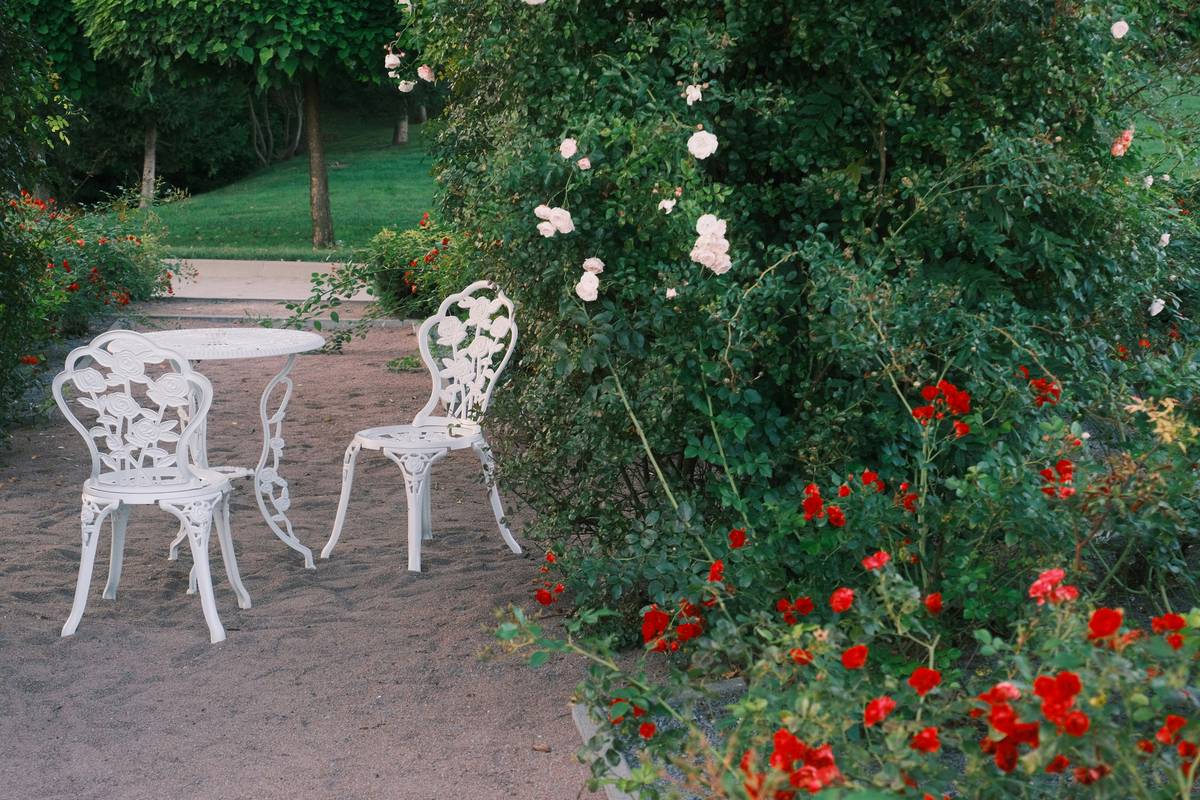
Here’s what patio furniture brands won’t tell you: beige, gray, and “weathered white” tables disappear visually. They create dead zones in your layout. Instead, lean into tonal contrast. A deep forest-green aluminum table against pale limestone pavers? Magic. Burnt-orange recycled plastic under silver olive trees? Instant focal point.
Think about it—your garden gardening ideas should spark joy, not blend into the mulch. Color psychology applies outdoors too. Warm tones invite lingering; cool tones feel tidy but distant. And yes, paint works on most non-porous surfaces. A $20 can of exterior-grade enamel can resurrect a dated frame better than any cushion.
Frequently Asked Questions
Can I leave my garden table outside all winter?
Depends on material. Aluminum and recycled plastic? Yes—with a breathable cover. Wood or concrete? Store indoors or risk cracking. Never trap moisture underneath.
What’s the easiest garden table to clean after meals?
Powder-coated aluminum and recycled plastic win. Wipe spills immediately; hose weekly. Avoid porous stone or untreated wood—they stain fast.
Do metal garden tables get too hot in summer?
Bare steel does. But quality powder-coated aluminum reflects heat. Add a slim parasol or linen runner during peak sun—and never eat lunch on bare metal at noon.