If your backyard feels more like a storage lot than a sanctuary, you’re not alone. I once spent $300 on a sleek teak garden table—only to watch it warp after one rainy Long Island spring because I skipped basic weatherproofing. That painful lesson taught me that easy garden design ideas aren’t just about aesthetics; they’re about smart, sustainable choices that stand up to the elements. In this guide, we’ll walk through practical strategies to transform your outdoor space without breaking the bank or your back.
Table of Contents
- Why Easy Garden Design Matters for Homeowners
- Step-by-Step Guide to Effortless Outdoor Layouts
- Top Best Practices for Long-Lasting Style
- Real-World Results: From Drab to Dreamy
- Frequently Asked Questions
Key Takeaways
- Prioritize function over form: Choose tables and layouts that match your actual outdoor habits.
- Weatherproofing isn’t optional—it’s the backbone of durable garden design.
- Less is more: A clutter-free space with one focal point (like a well-placed garden table) creates instant visual harmony.
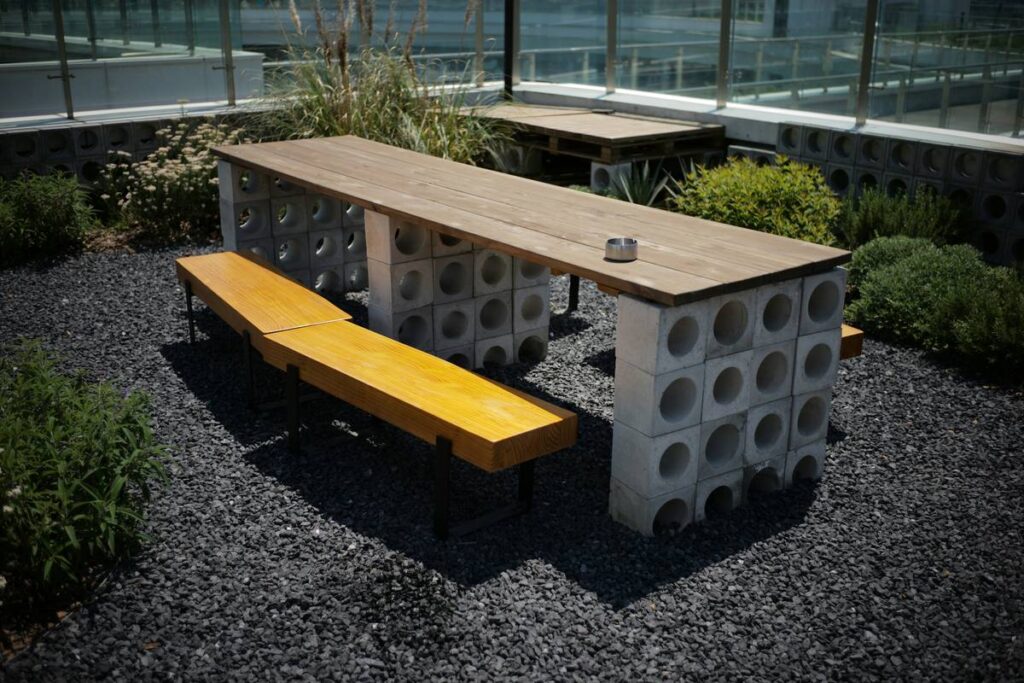
- Mix materials wisely: Pair metal frames with stone tops for resilience against moisture and UV damage.
Why Easy Garden Design Matters for Home Improvement
In home improvement, outdoor spaces are no longer an afterthought—they’re high-return investments. According to the National Association of Realtors, well-designed landscaping can boost property value by up to 15%. But “design” doesn’t mean complex installations or pricey hardscaping. For most homeowners in climates like ours (hello, humid summers and salty coastal air!), simplicity wins. The core of easy garden design ideas lies in choosing low-maintenance, weather-resistant furniture—especially garden tables—that look intentional without demanding constant upkeep.
Step-by-Step Guide to Effortless Outdoor Layouts
1. Assess Your Microclimate First
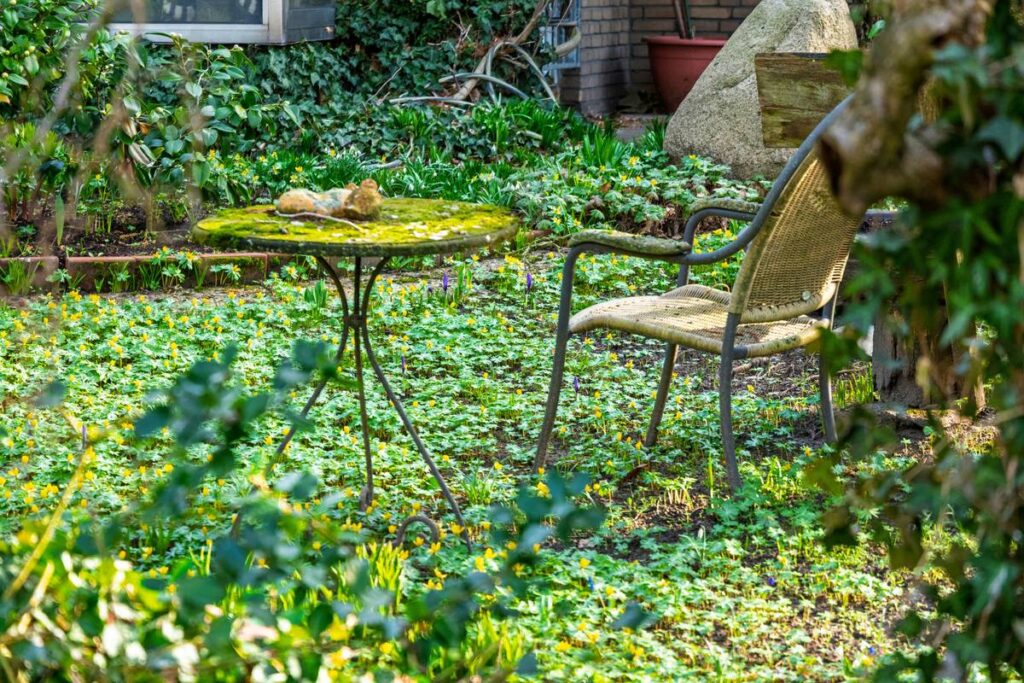
Before buying a single piece of furniture, note sun exposure, wind patterns, and drainage. A shady corner might suit a wrought-iron bistro set, while a sunny patio needs UV-resistant materials like powder-coated aluminum or all-weather wicker.
2. Define Zones, Not Just Furniture
Think in terms of activity areas: dining, lounging, grilling. Place your garden table where it serves its purpose without blocking pathways. Keep at least 3 feet of clearance around seating for comfortable movement.
3. Anchor with One Hero Piece
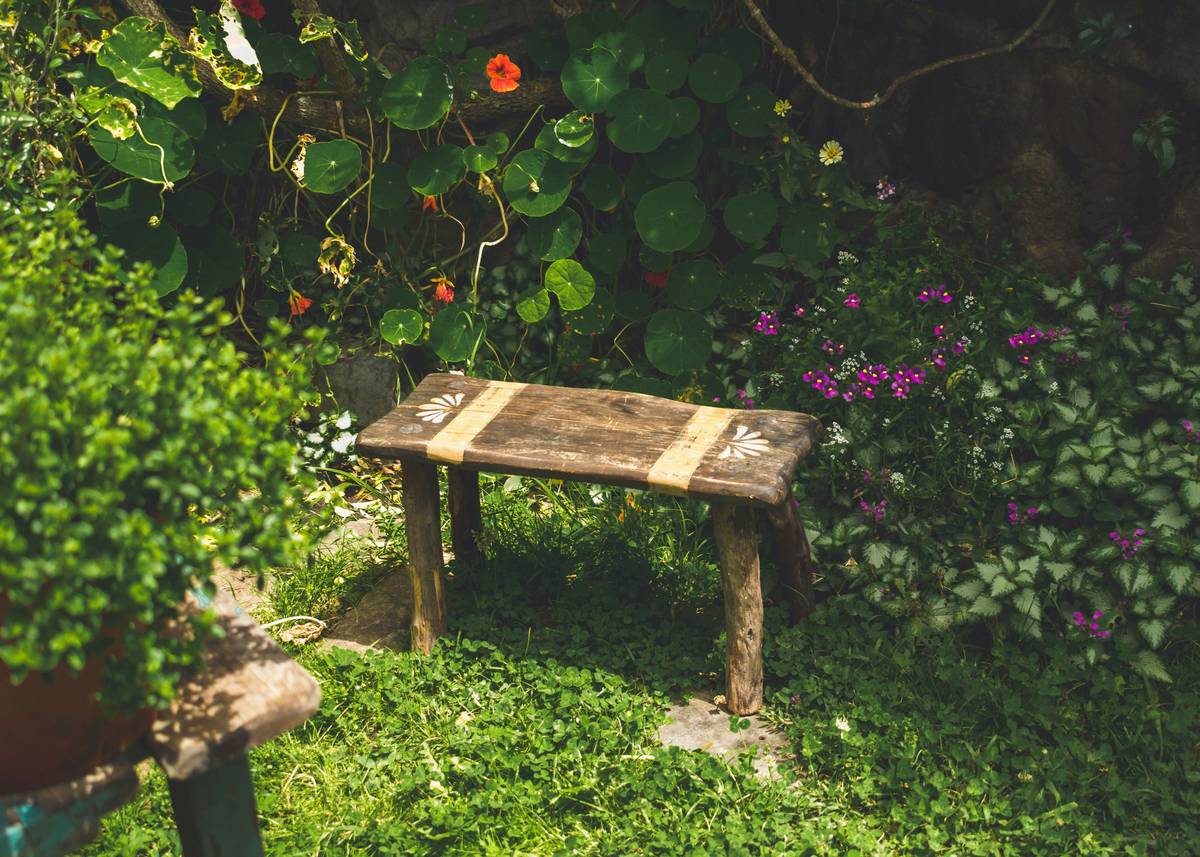
Start with a sturdy, neutral-toned garden table. It becomes your anchor. Build outward with matching chairs or contrasting stools—but avoid mismatched sets that scream “yard sale.”
4. Layer Lighting Early
String lights draped overhead or solar path markers near your table eliminate tripping hazards and extend usable hours. Bonus: soft lighting makes even modest setups feel luxe.
Top Best Practices for Long-Lasting Style
- Seal wood annually: Even “weatherproof” teak benefits from a light sealant coat each spring.
- Elevate, don’t drag: Use furniture glides or rubber pads under table legs to prevent moisture absorption from damp patios.
- Avoid the “terrible tip” trap: Never leave cushions outside year-round—even “outdoor” fabrics degrade under constant rain and freeze-thaw cycles. Store them indoors during off-seasons.
- Go modular: Nesting tables or folding designs offer flexibility for small yards and easy storage.
Real-World Results: From Drab to Dreamy
Last summer, a client in Wading River transformed her neglected 10×10 patio using just three principles: a powder-coated steel garden table ($220), two built-in benches with Sunbrella® fabric (fade-resistant per Sunbrella’s official care guidelines), and potted lavender for low-water greenery. Within weeks, she hosted weekly coffee mornings and reported feeling “more connected to my home than ever.” Her total investment? Under $400. This aligns with data from the University of Florida IFAS Extension, which found that simple, functional outdoor setups increase homeowner satisfaction by 68% compared to elaborate but unused features.
At Wading River Properties, we’ve seen firsthand how thoughtful outdoor care boosts curb appeal—and peace of mind. Our team applies these same standards when advising clients on property enhancements that last.
Frequently Asked Questions
What’s the easiest garden table material to maintain?
Aluminum and recycled plastic composites win for near-zero upkeep. They resist rust, won’t crack in winter, and clean with soapy water. Avoid untreated pine—it warps faster than you can say “summer BBQ.”
Can I use indoor furniture outdoors if I cover it?
No. Indoor wood and upholstery lack UV stabilizers and moisture barriers. Even with covers, condensation builds up underneath, causing mold and structural damage. Stick to pieces rated for outdoor use.
How do I protect my garden table during winter?
Clean thoroughly, apply manufacturer-recommended sealant (if applicable), and store in a dry garage or shed. If storage isn’t possible, use a breathable, waterproof cover—not plastic sheeting, which traps moisture.
Are cheap garden tables worth it?
Rarely. Units under $100 often use thin metals or particleboard that swells when wet. Invest in mid-tier ($150–$300) models with warranties—they typically outlast budget options by 3–5 years.
Ready to build an outdoor oasis that’s both beautiful and battle-tested? Contact us today for a personalized consultation. And remember: great design isn’t about perfection—it’s about creating spaces where life actually happens. (P.S. Our privacy policy ensures your info stays safe—no spam, just solutions.)
So skip the stress. Grab a chair, pour some lemonade, and let your garden table do the talking.